
Stories
in-house prototyping
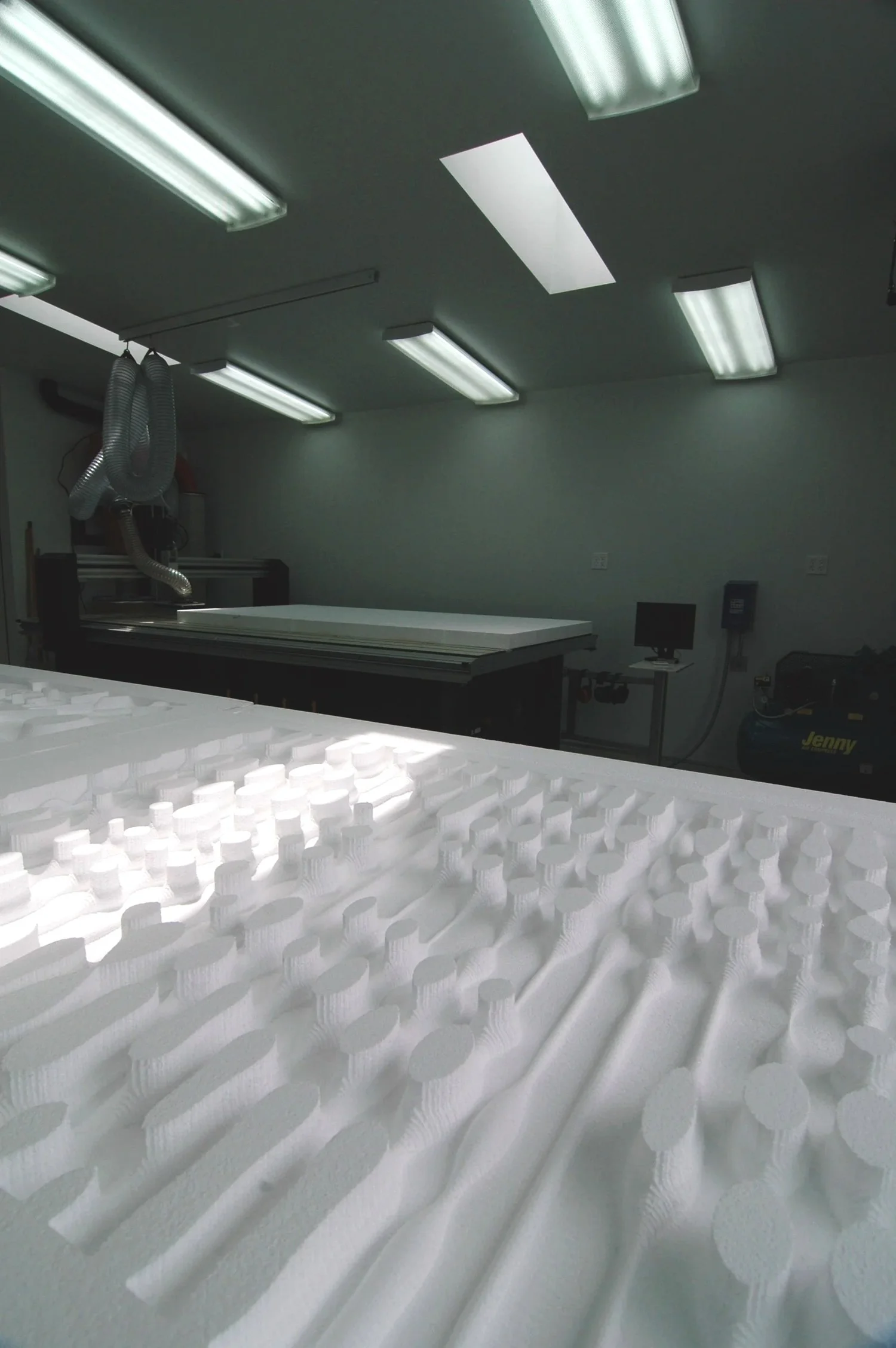
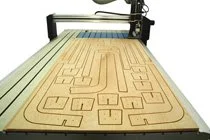
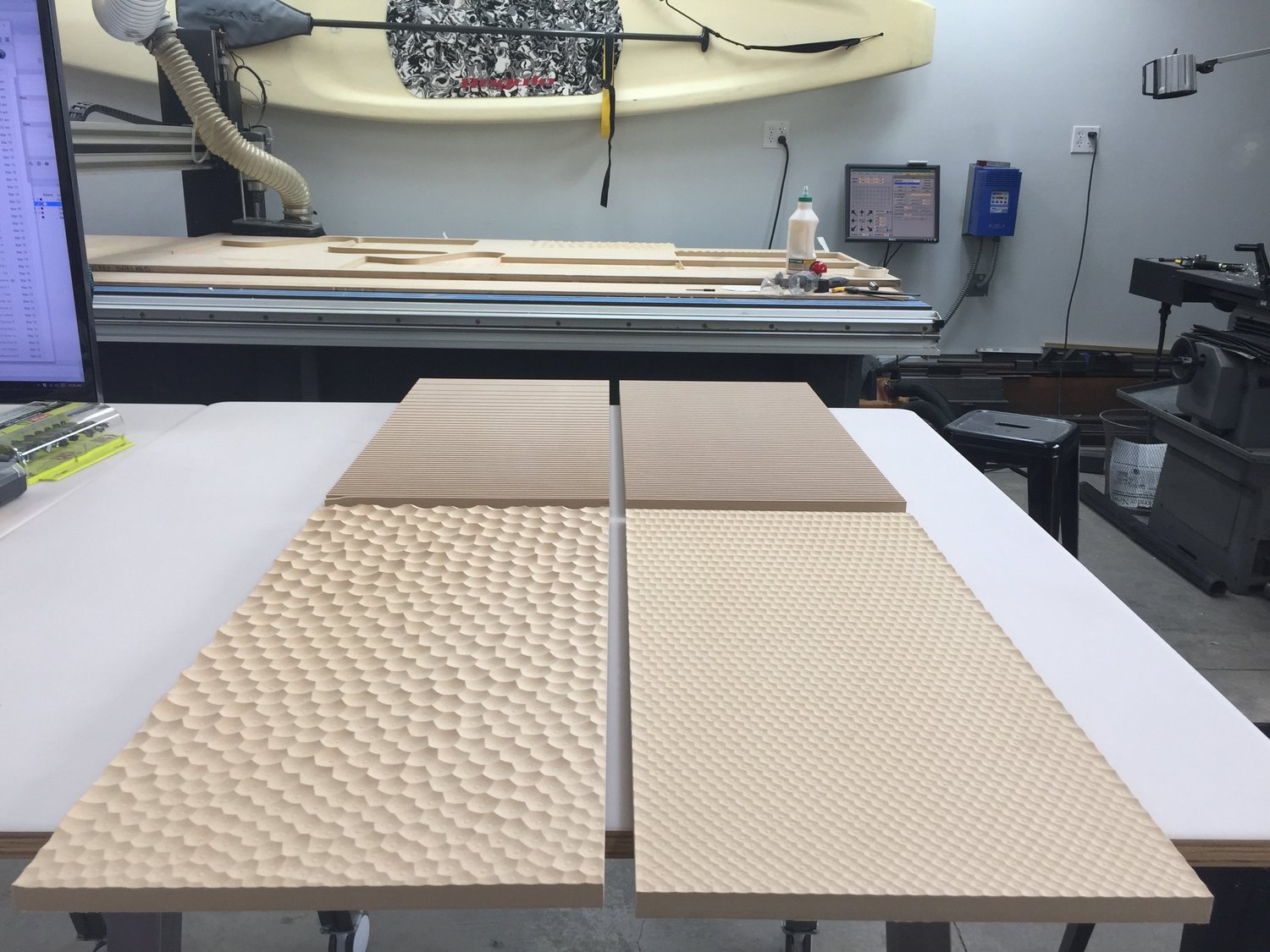
Proximity matters. The right tools in the right place make design less about waiting and more about responding. When fabrication sits within arm’s reach, ideas can move before they stall — rhythm replaces hesitation.
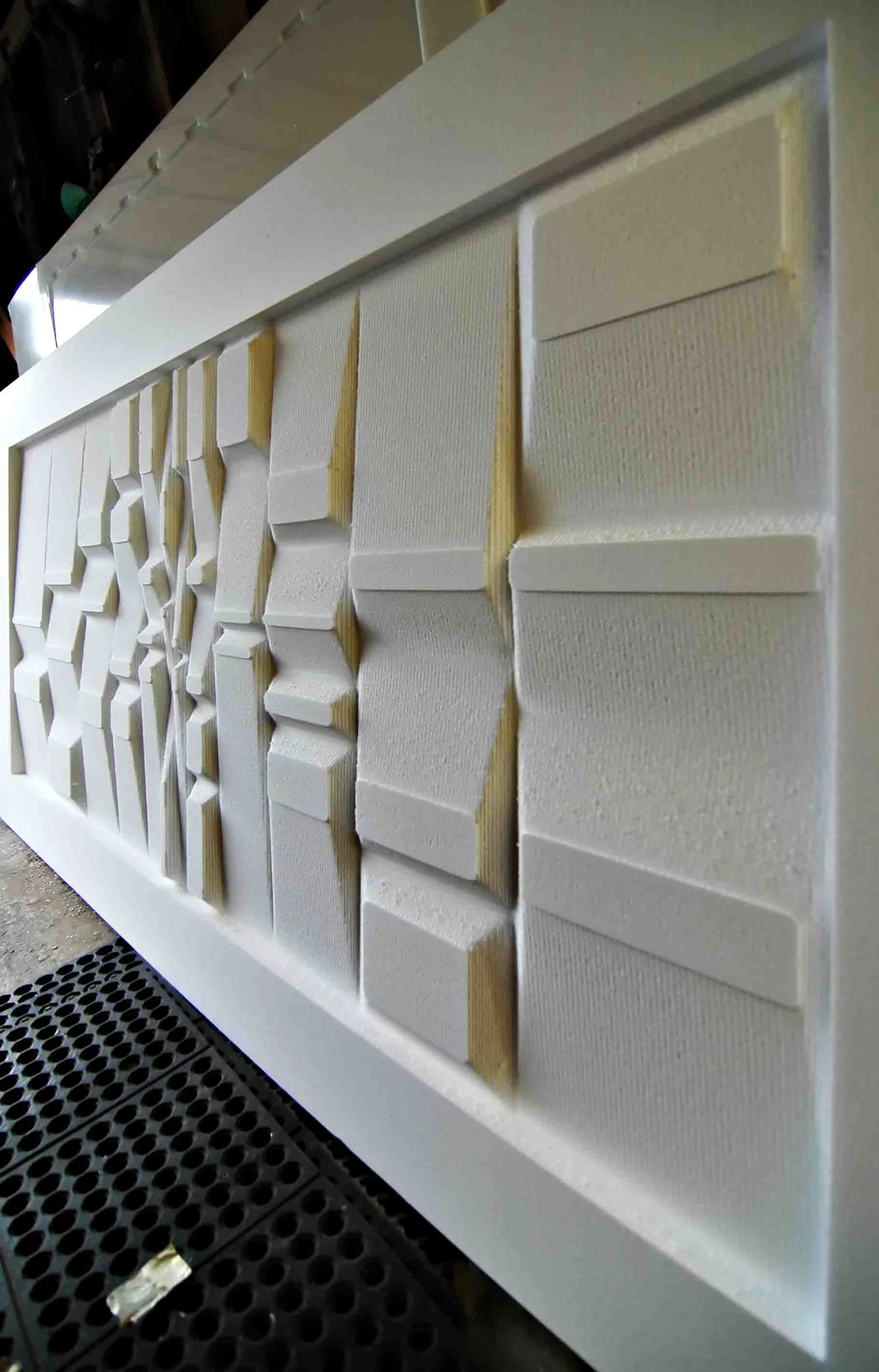
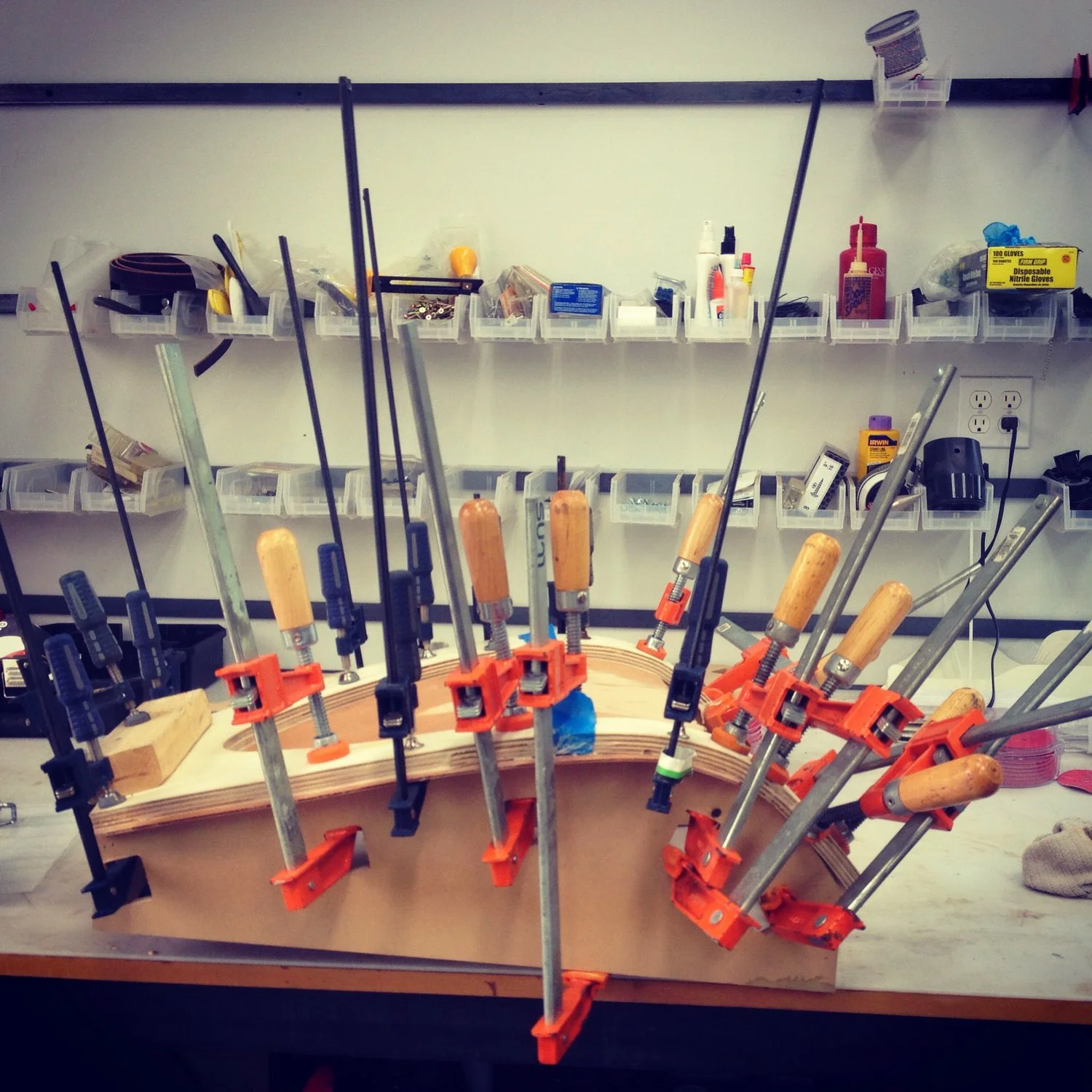
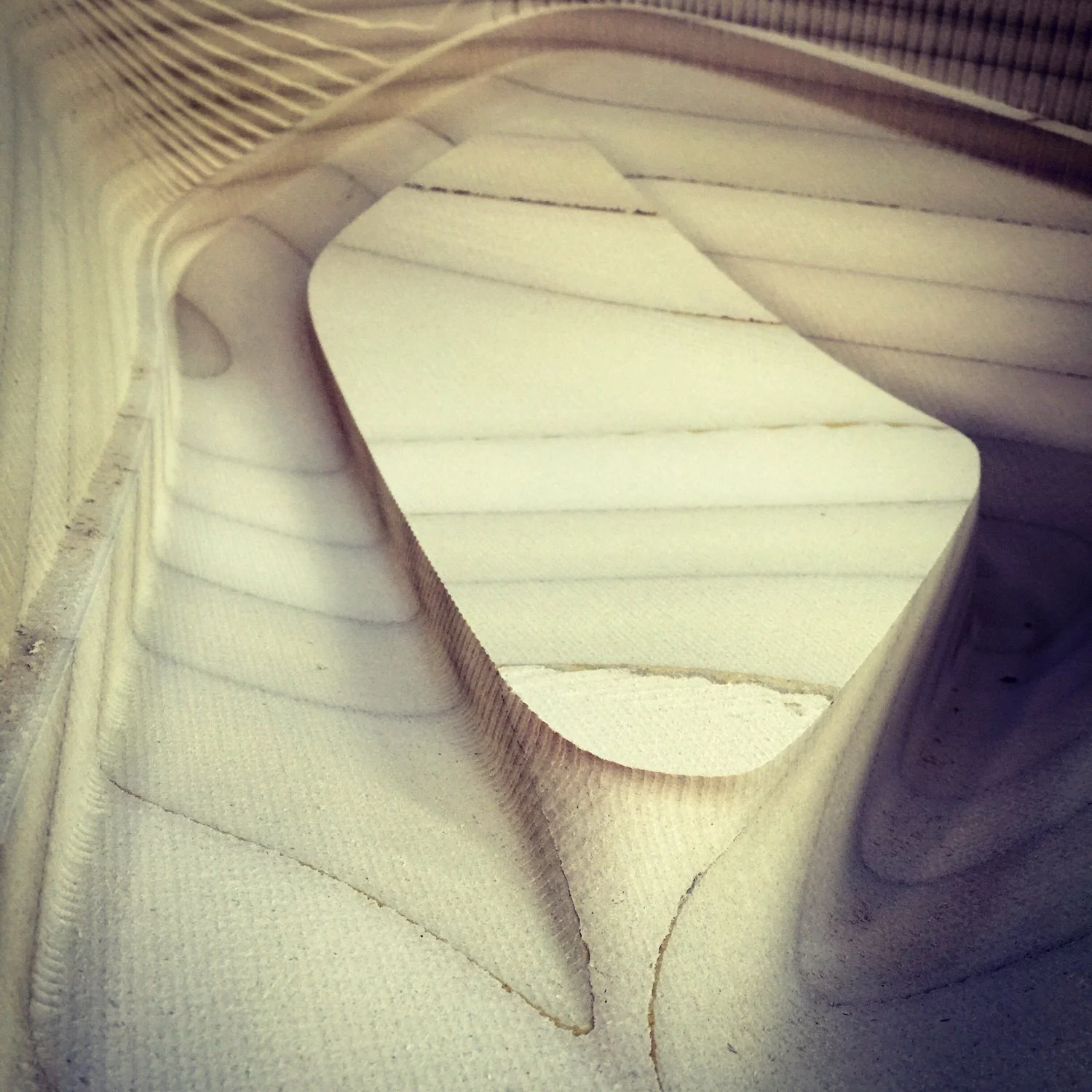
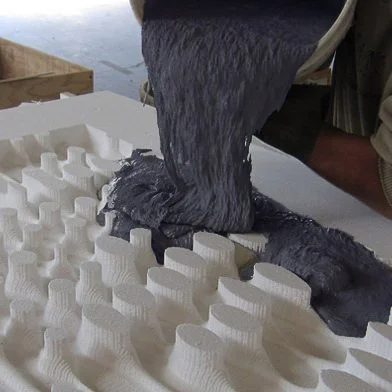
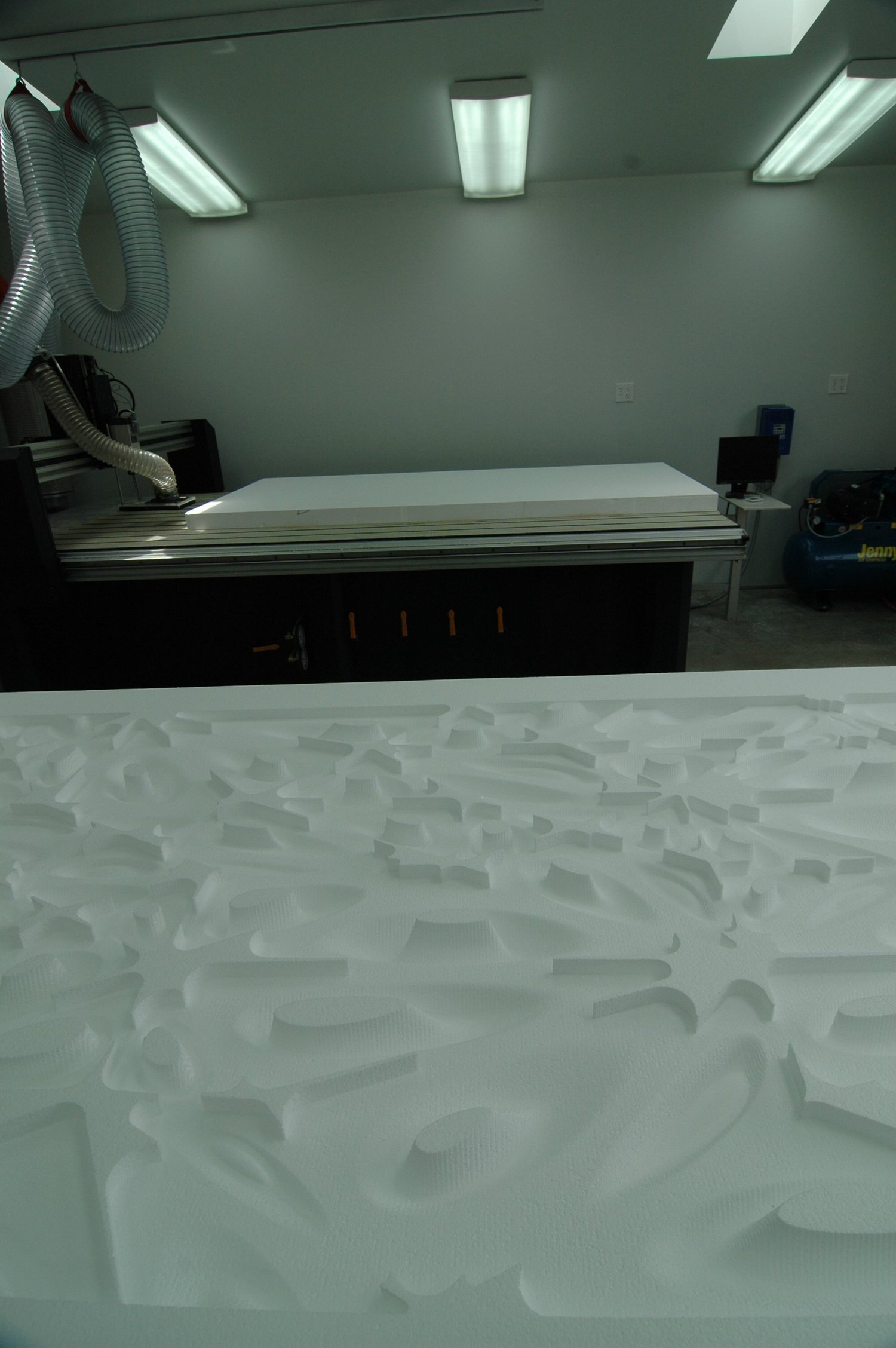
In-house prototyping isn’t a step in the process; it’s an environment that cultivates it. Materials can be tested, discarded, or refined without ceremony. Foam becomes wood, becomes something closer to final, each transition revealing what’s essential and what isn’t.
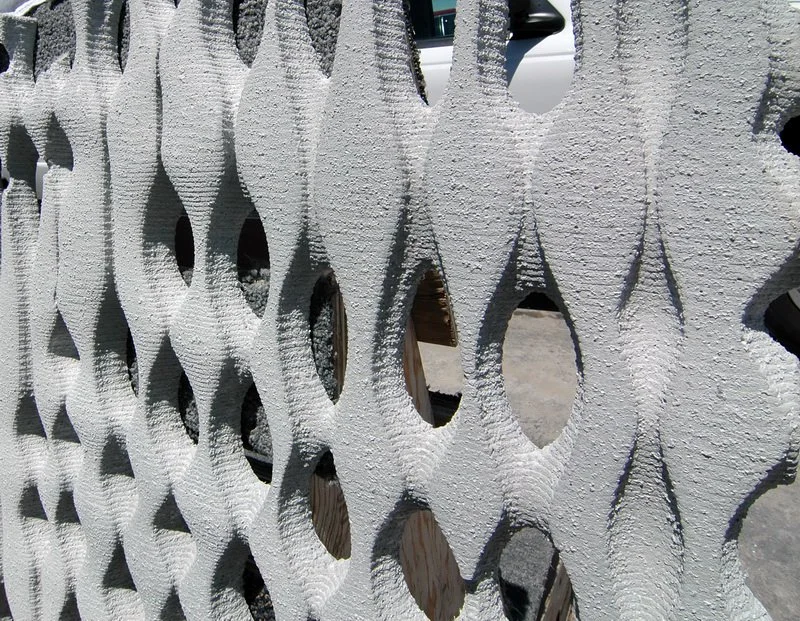
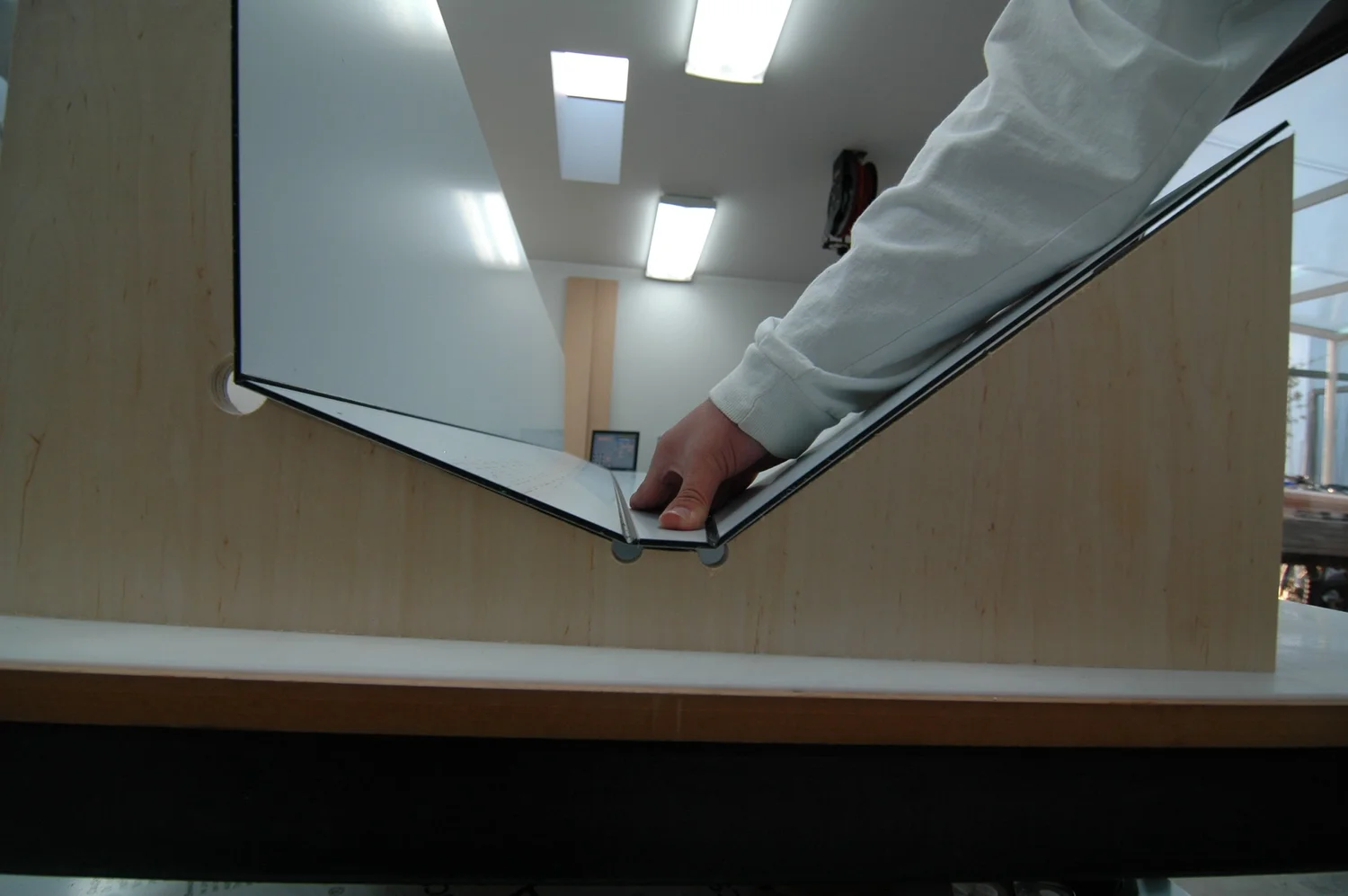
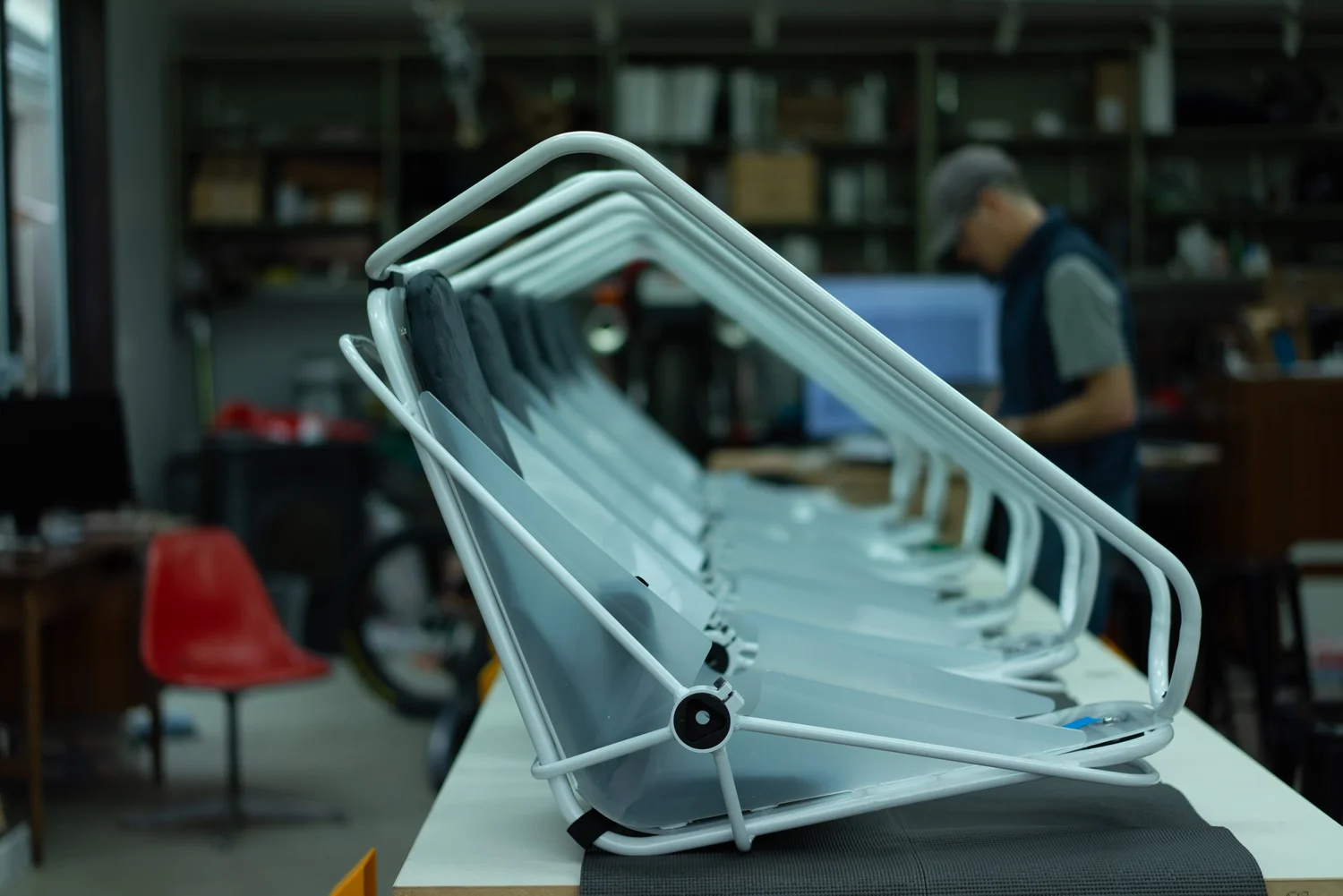
Prototyping is a rehearsal for making. Sometimes the progression is linear: a rendering becomes foam molds, then a plywood prototype, then solid wood. Each material brings the work closer to its final form. Other times the study happens at 1:1, in the intended material, to find opportunities in the making itself. The ratio of CNC machining to handwork, the order of operations, and the tooling can all change from one iteration to the next. Each rehearsal reveals what the next needs to test, bringing both the object and its method of production into focus.
Below: a handrail developed through successive prototypes. Geometry and finish requirements guided each iteration, tuning both form and workability as the project found its physical language.
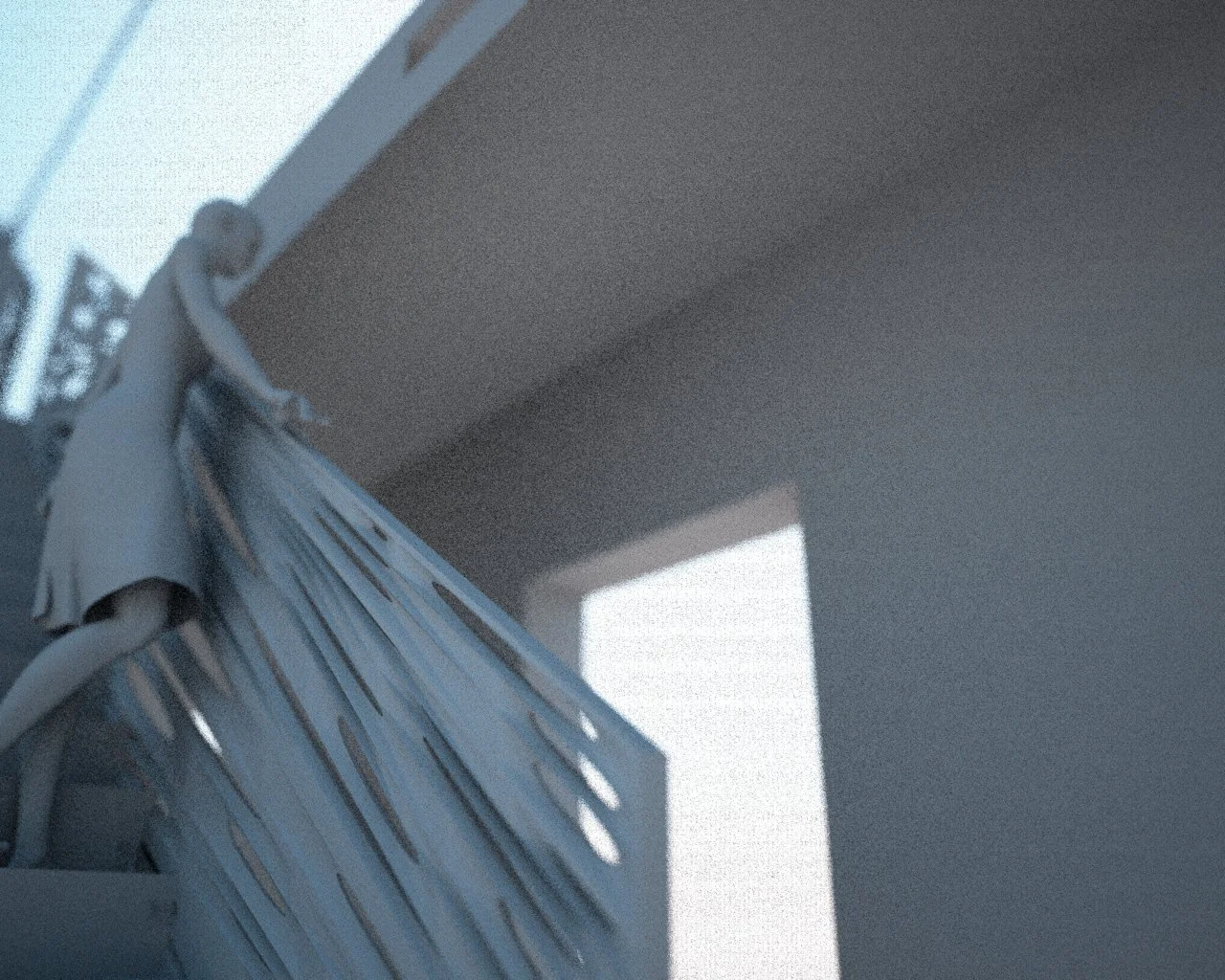
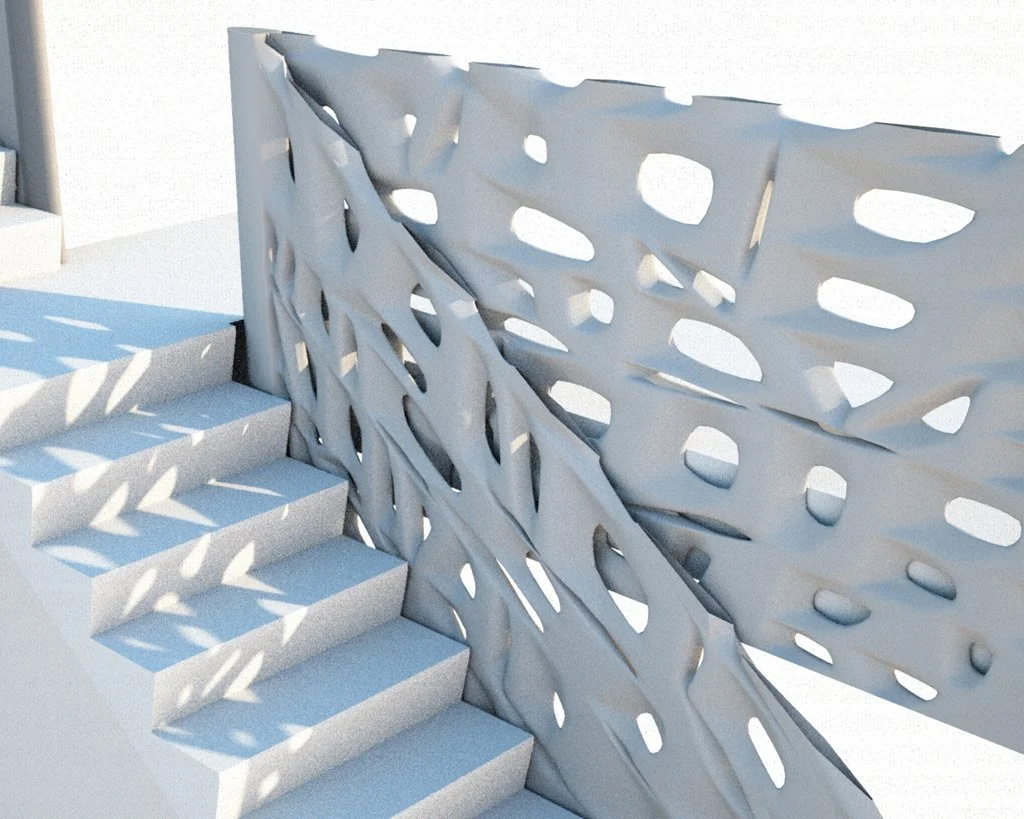
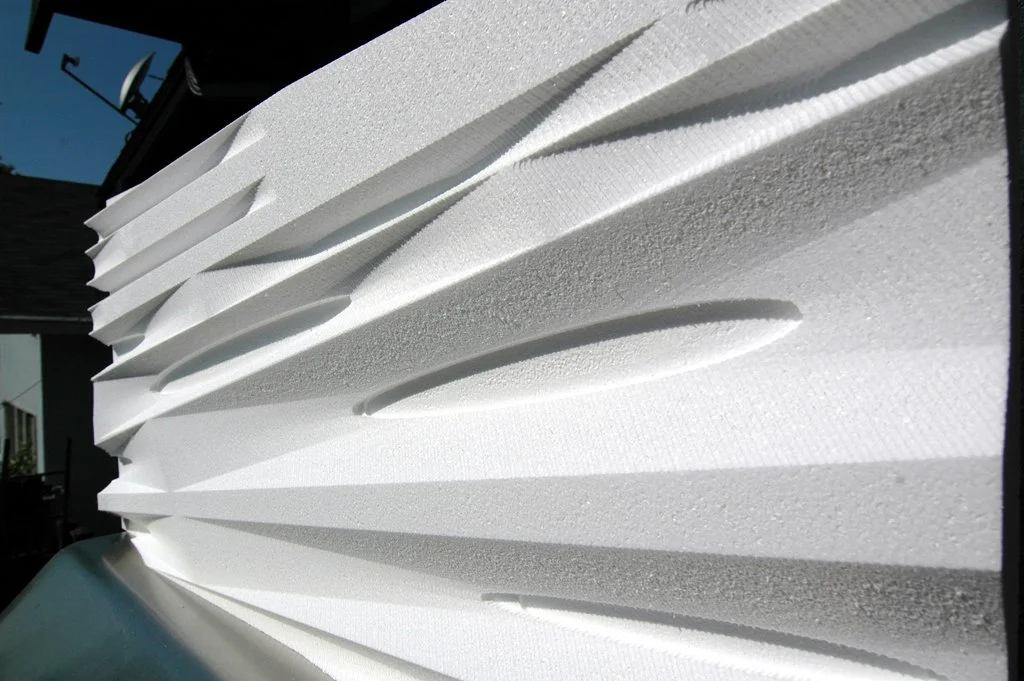
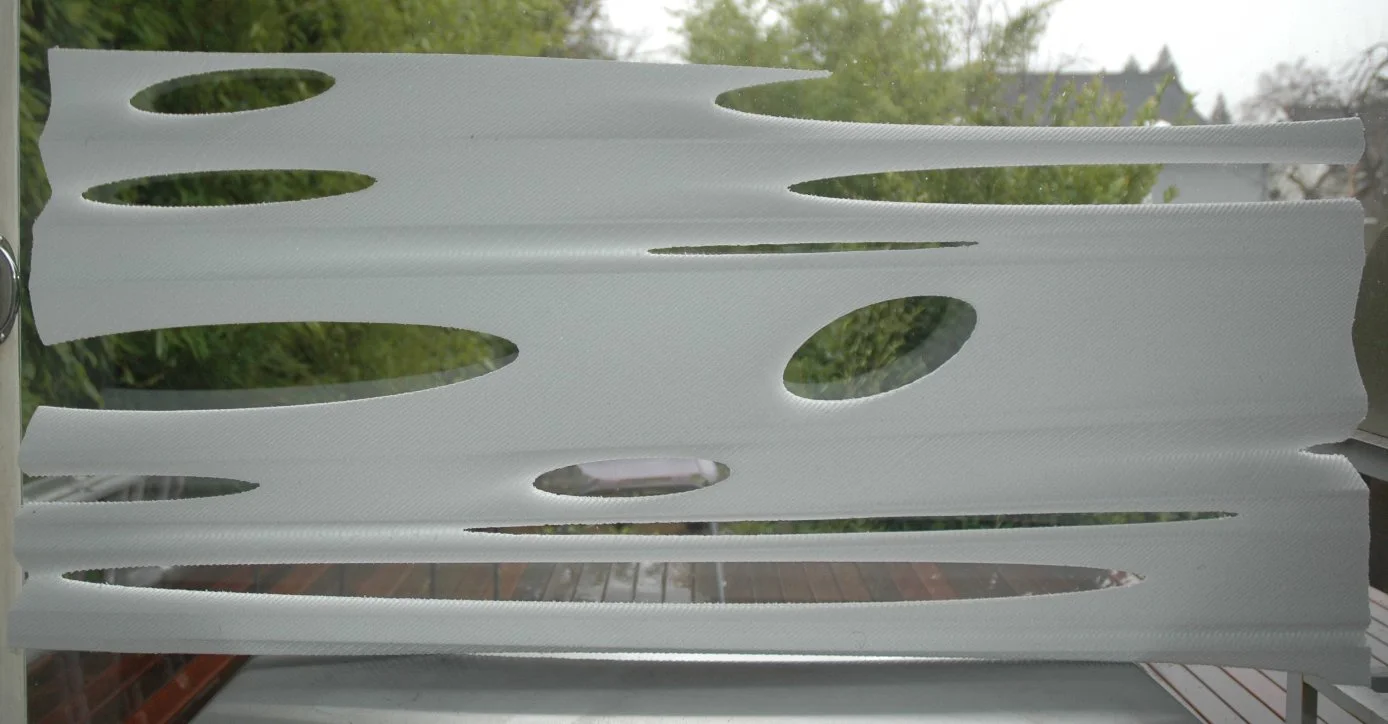
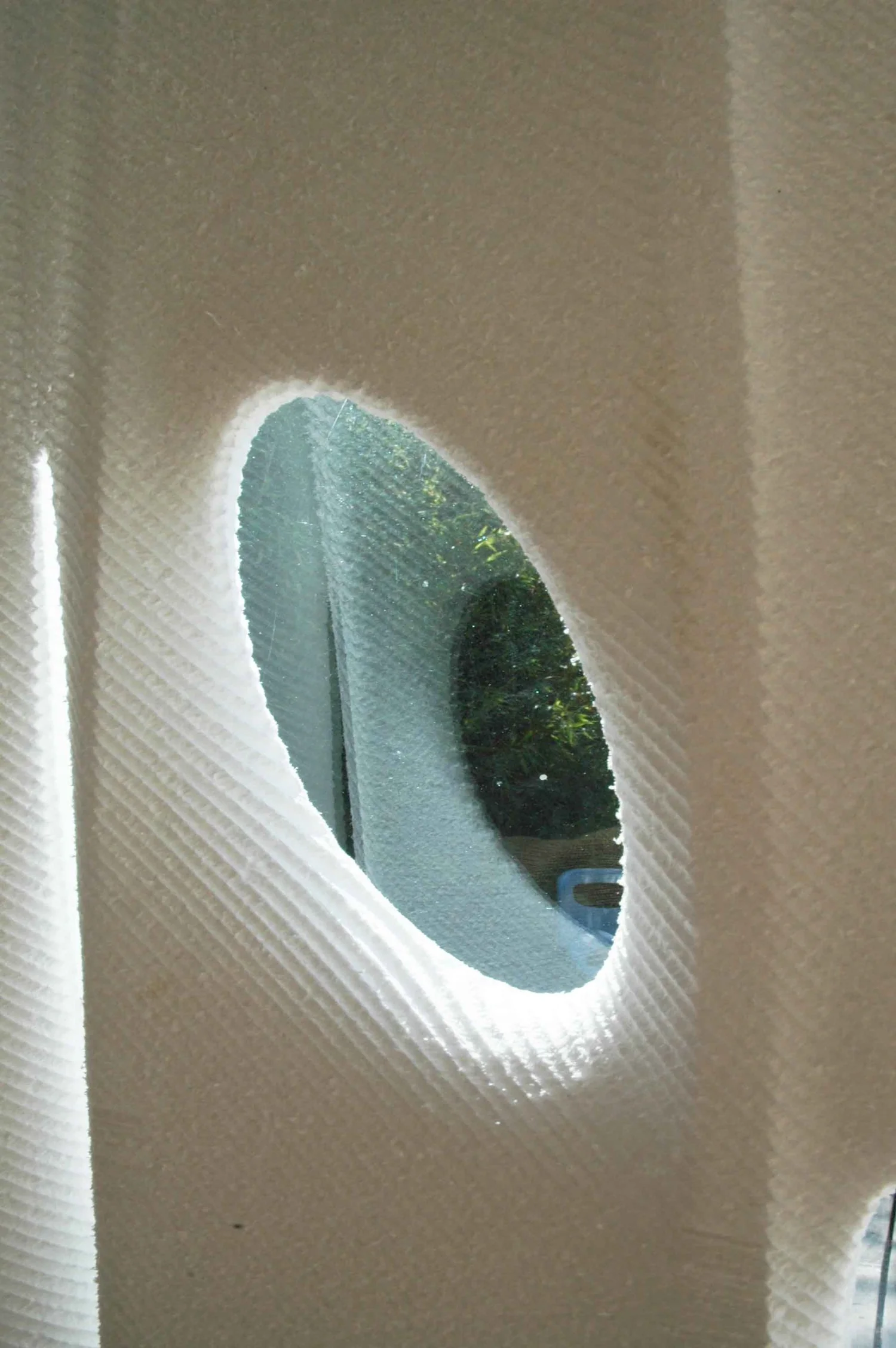
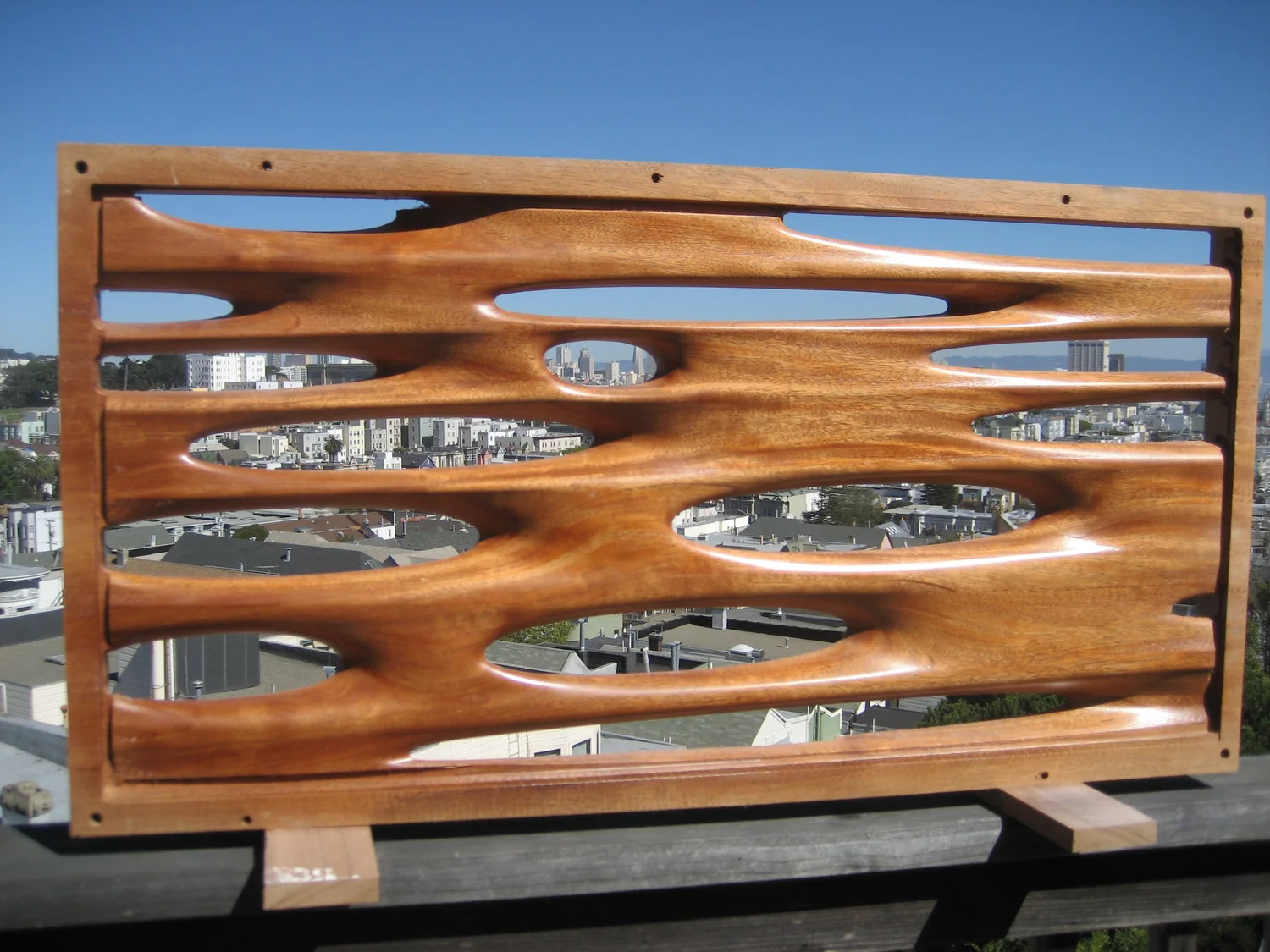
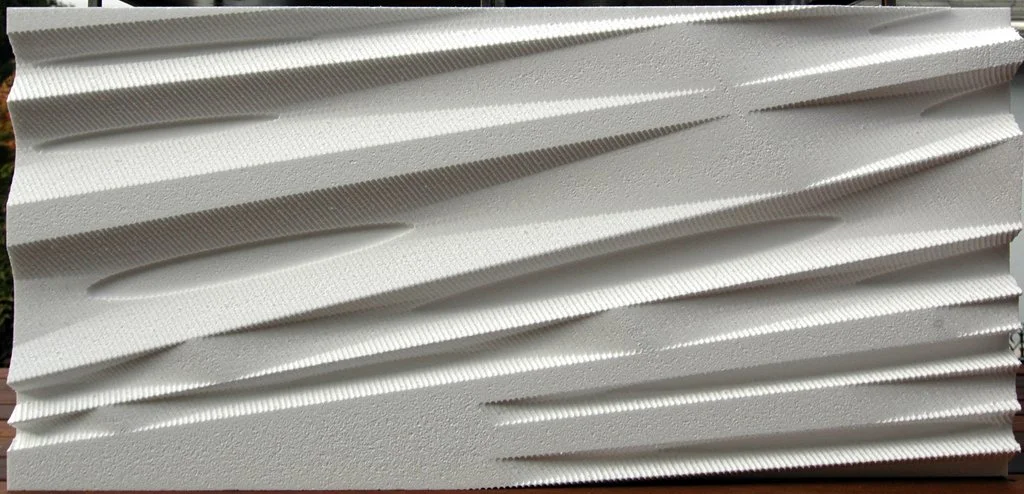
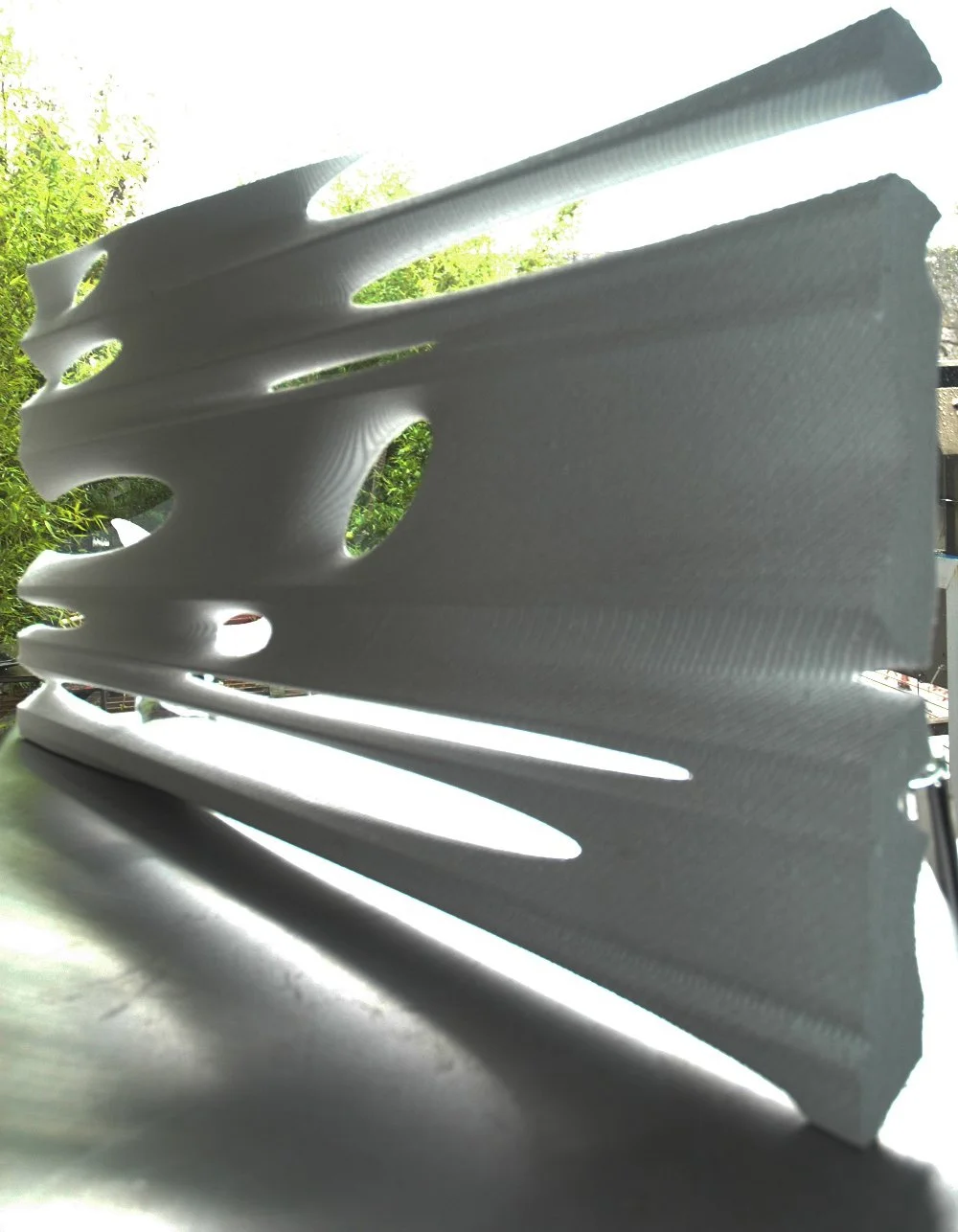
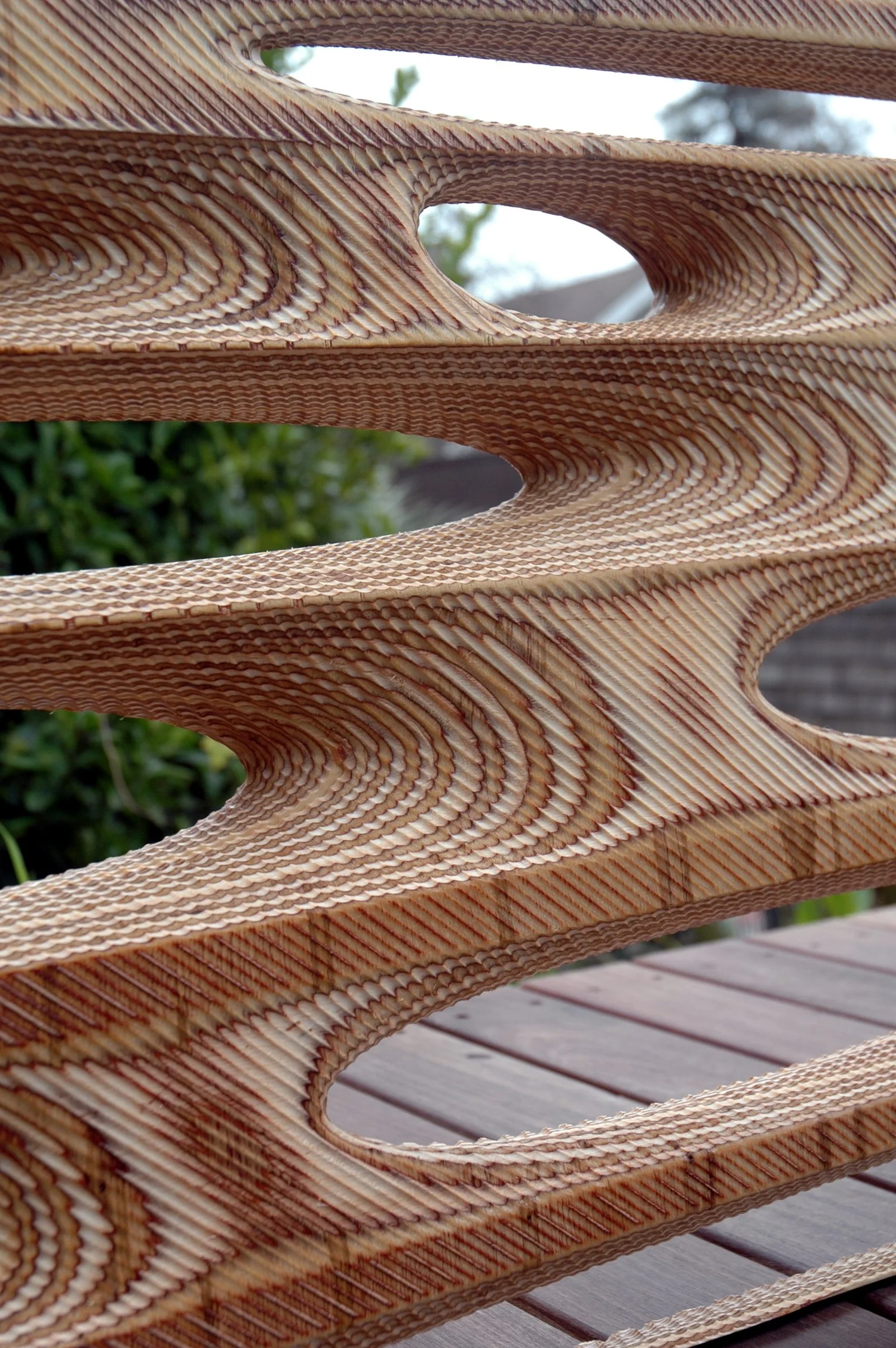
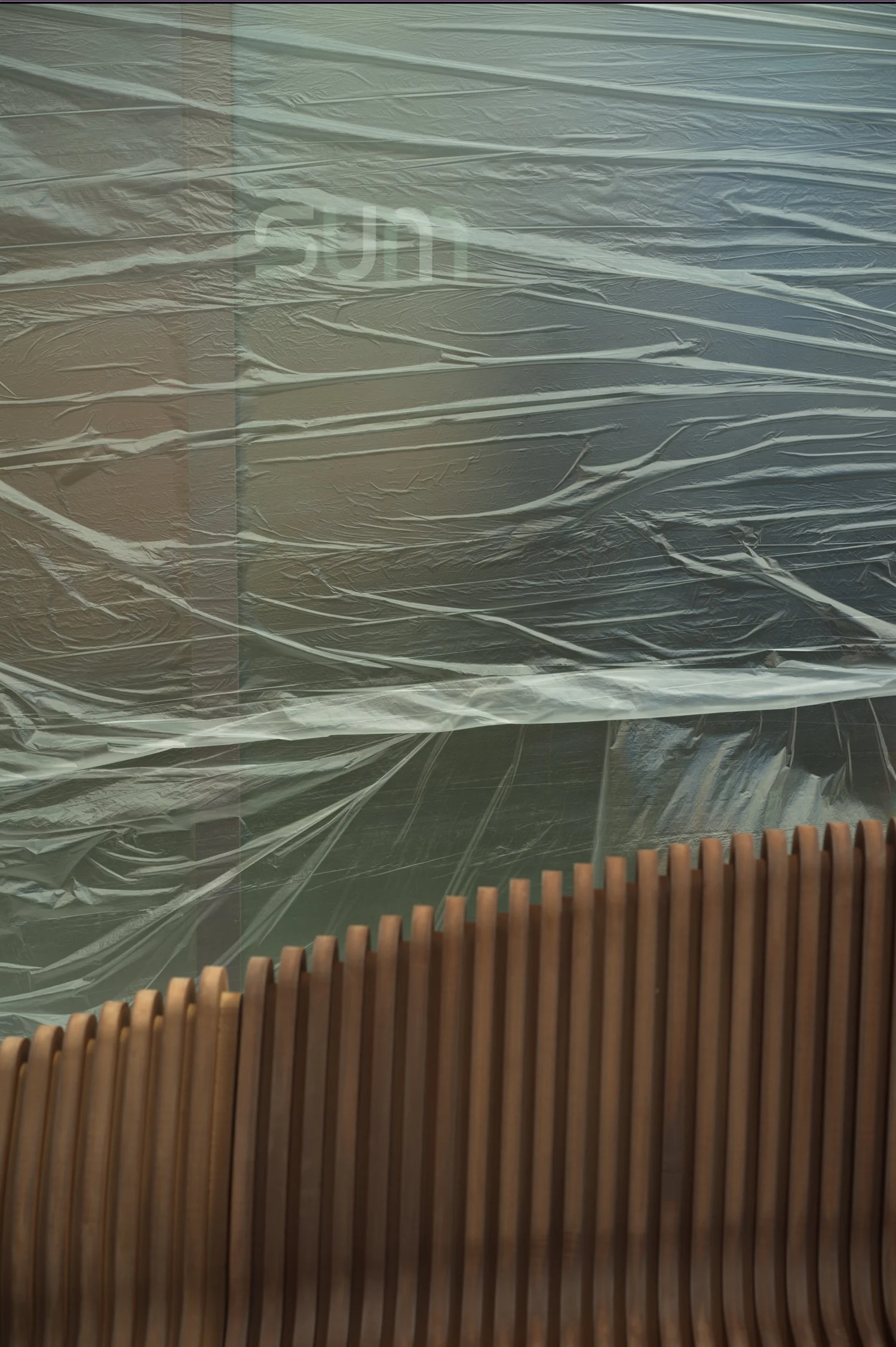
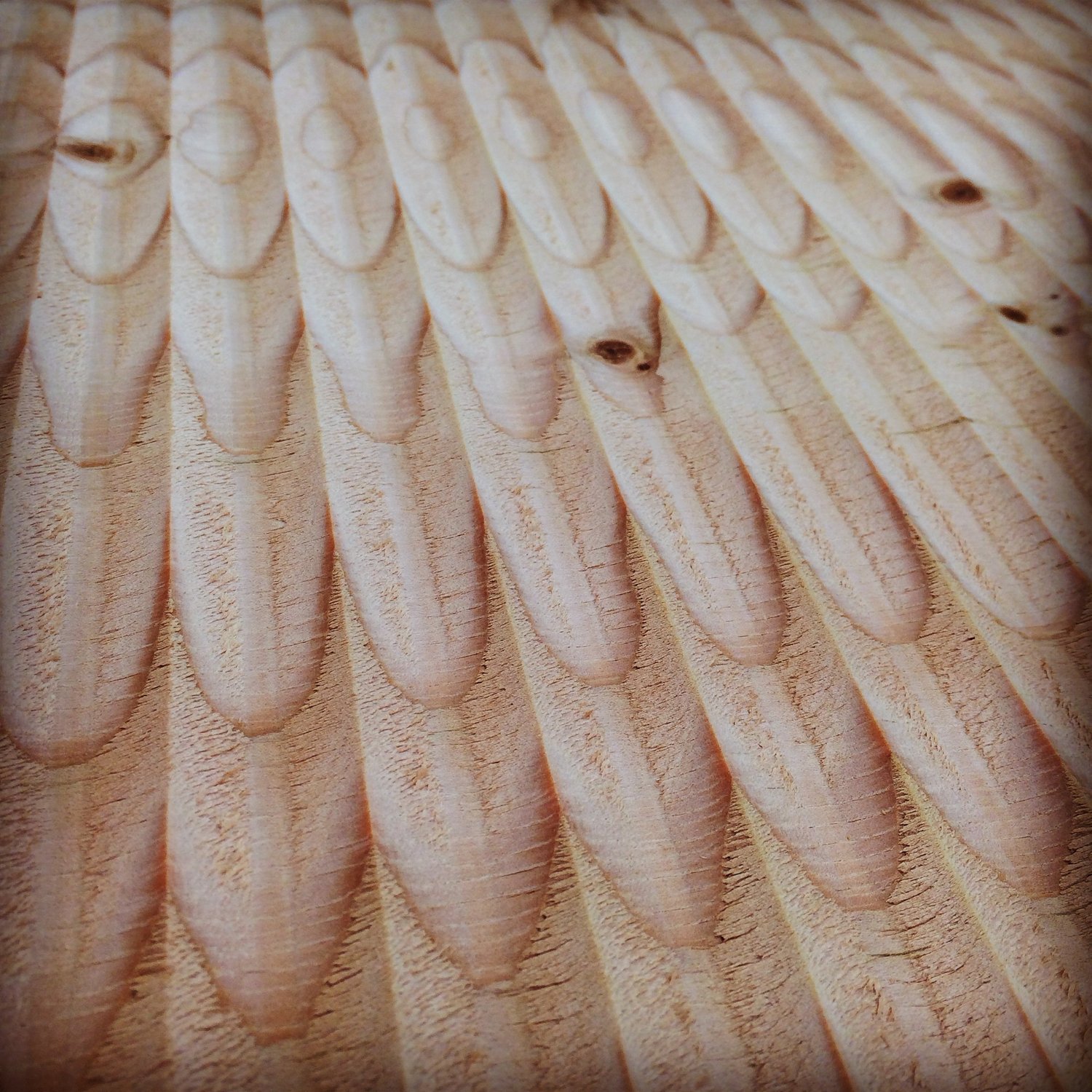
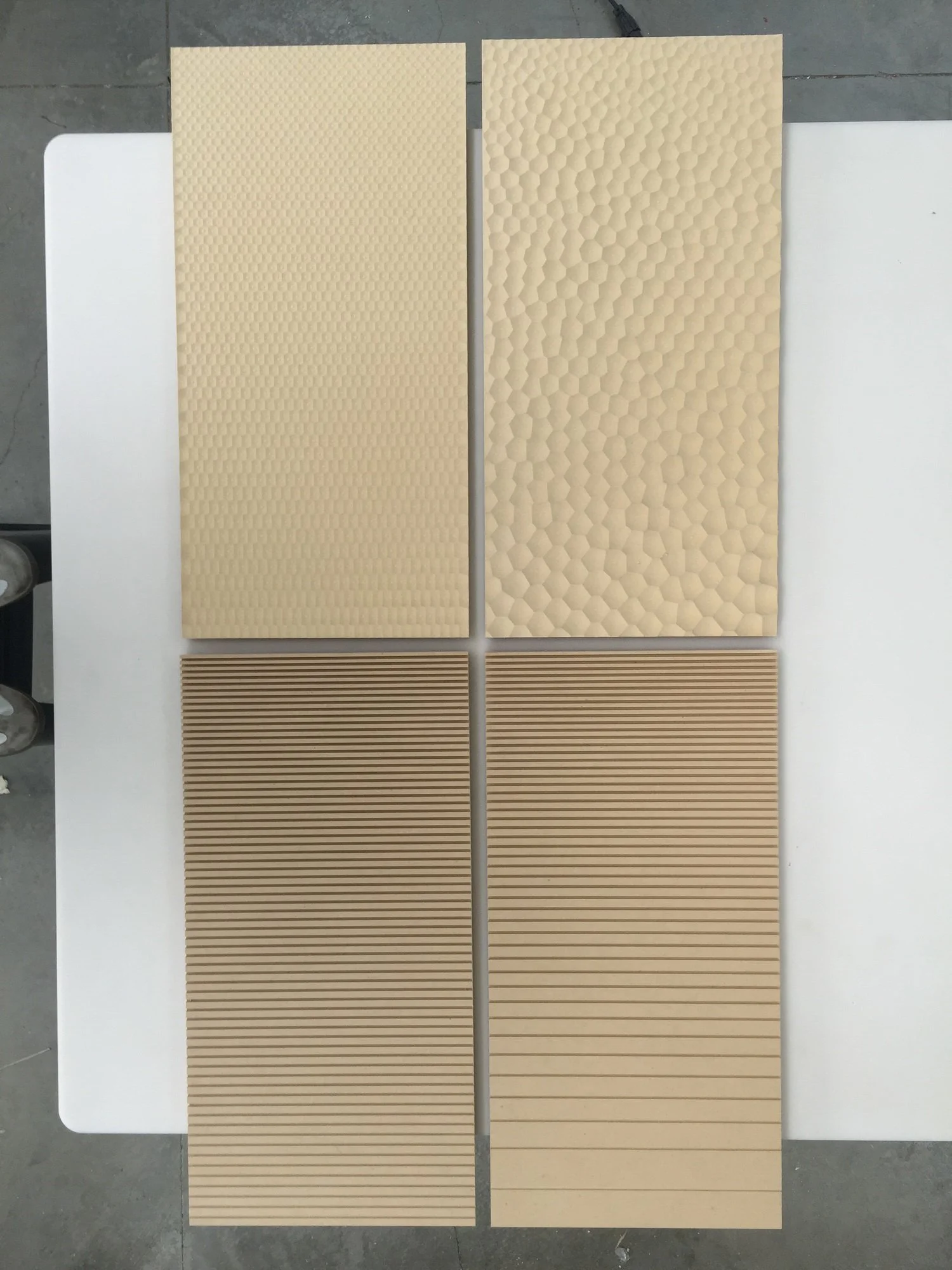
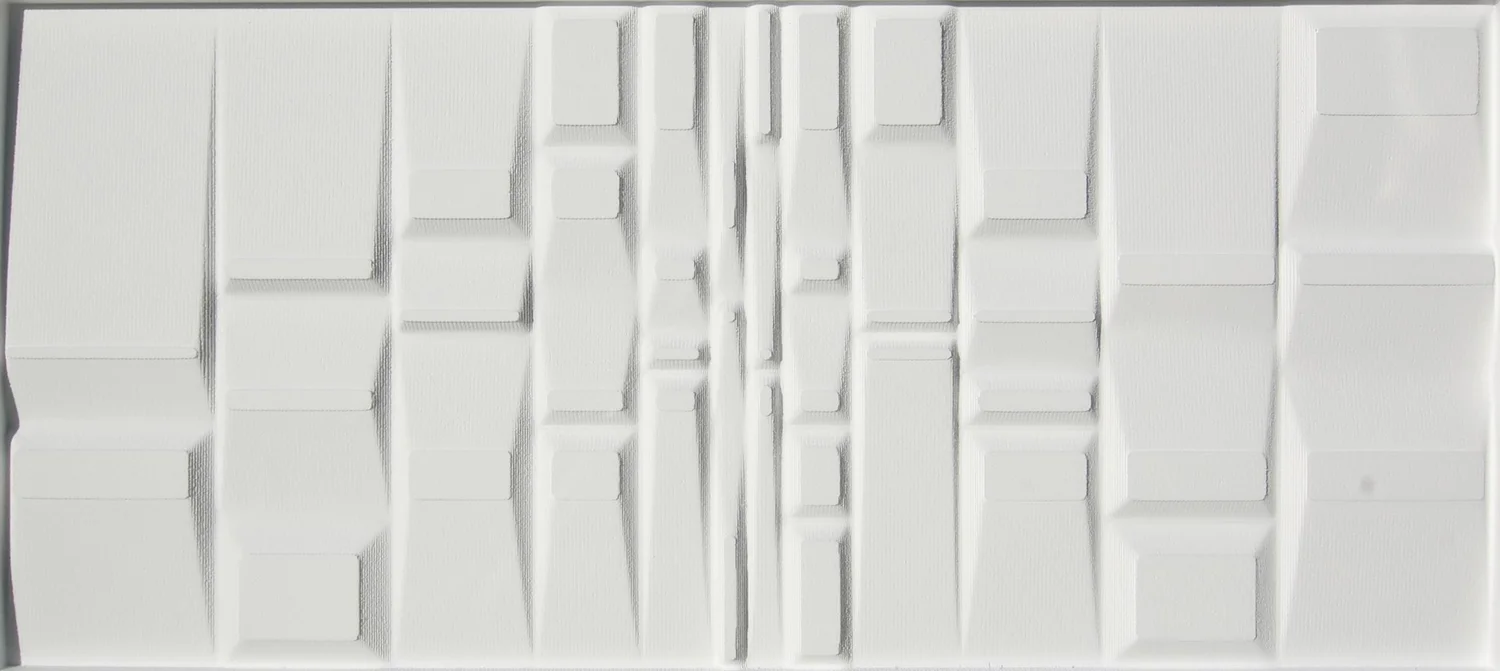
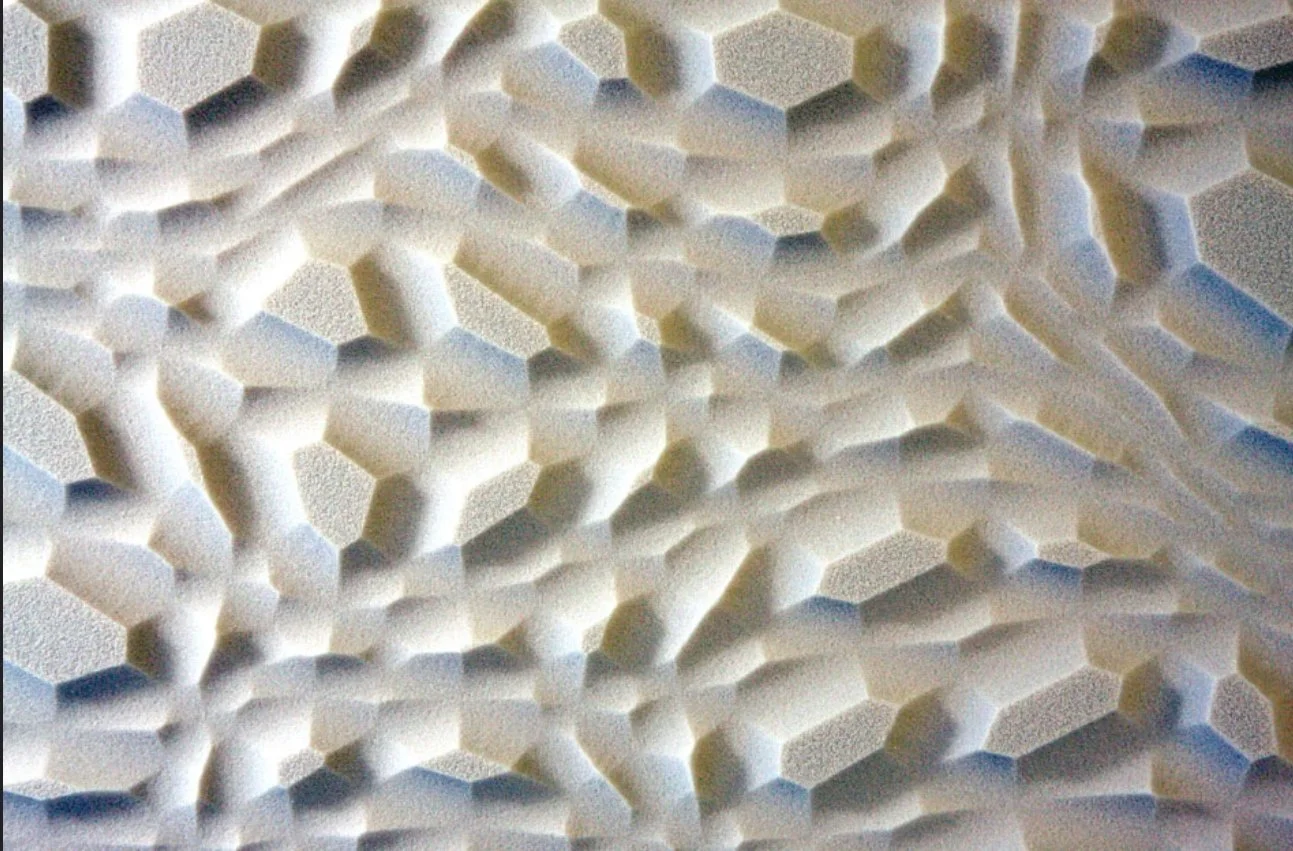
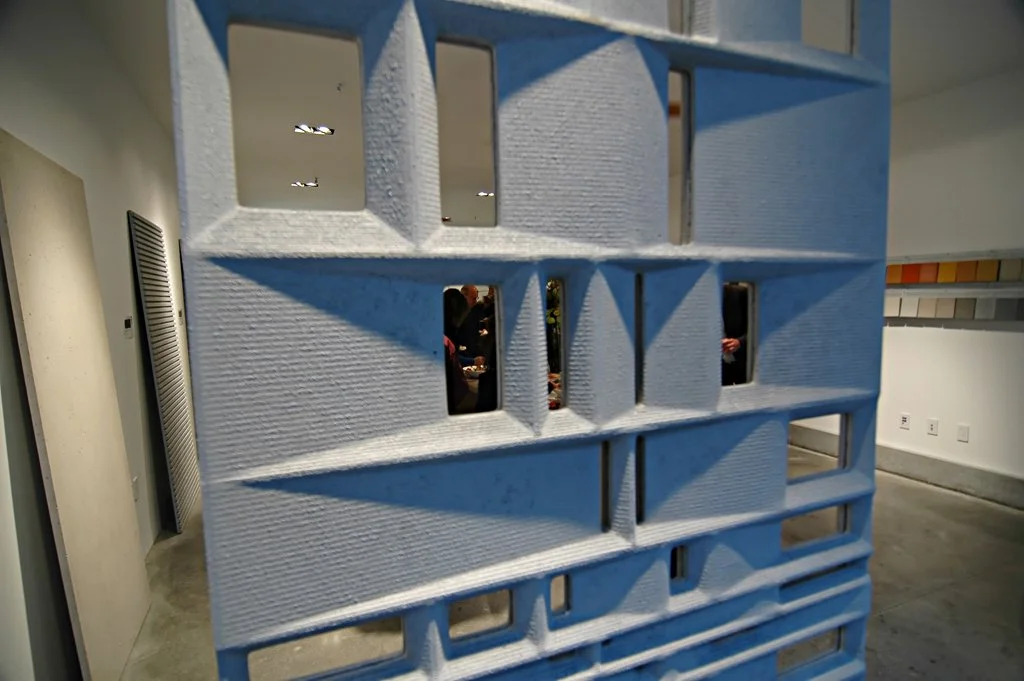
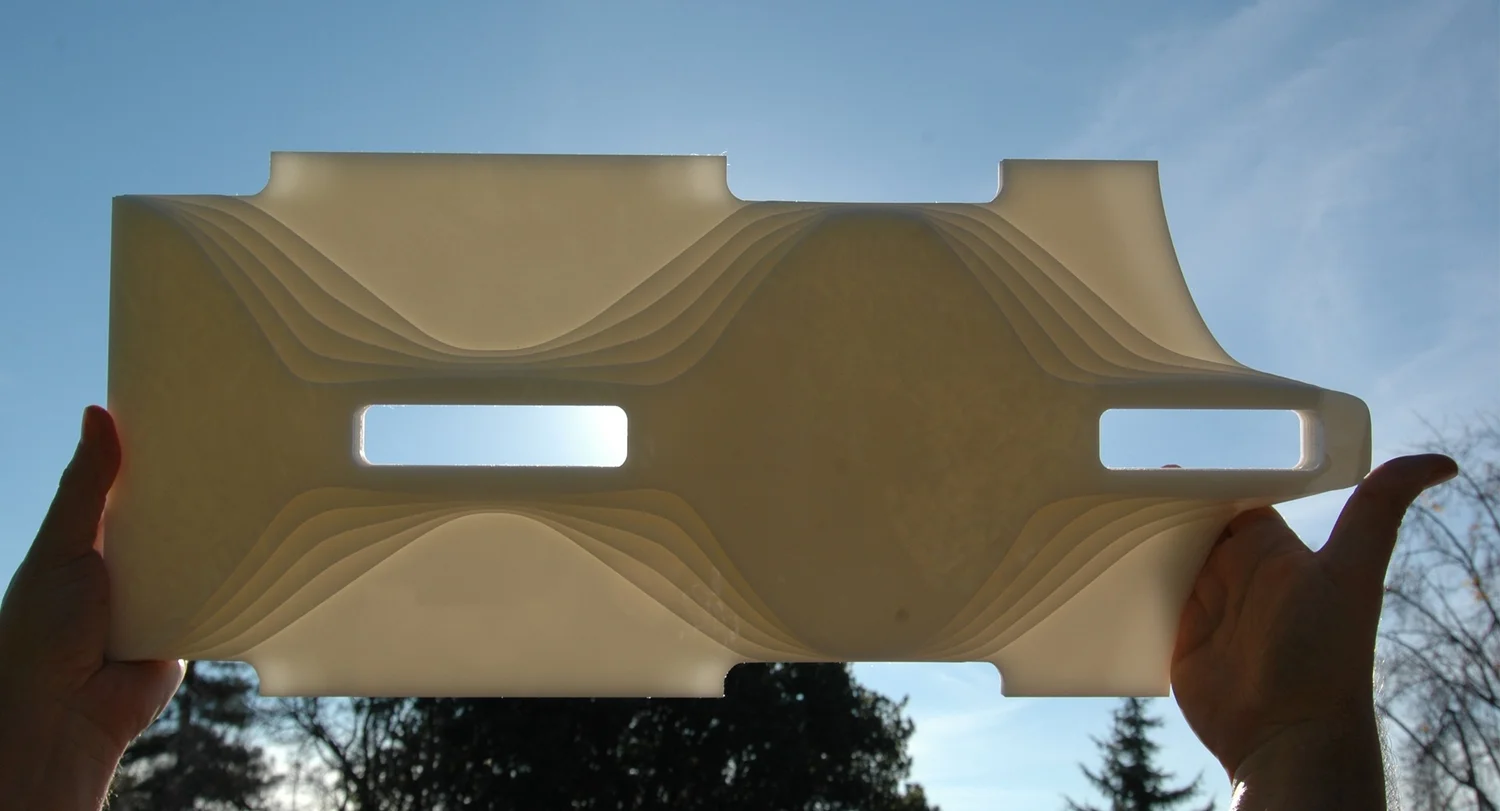
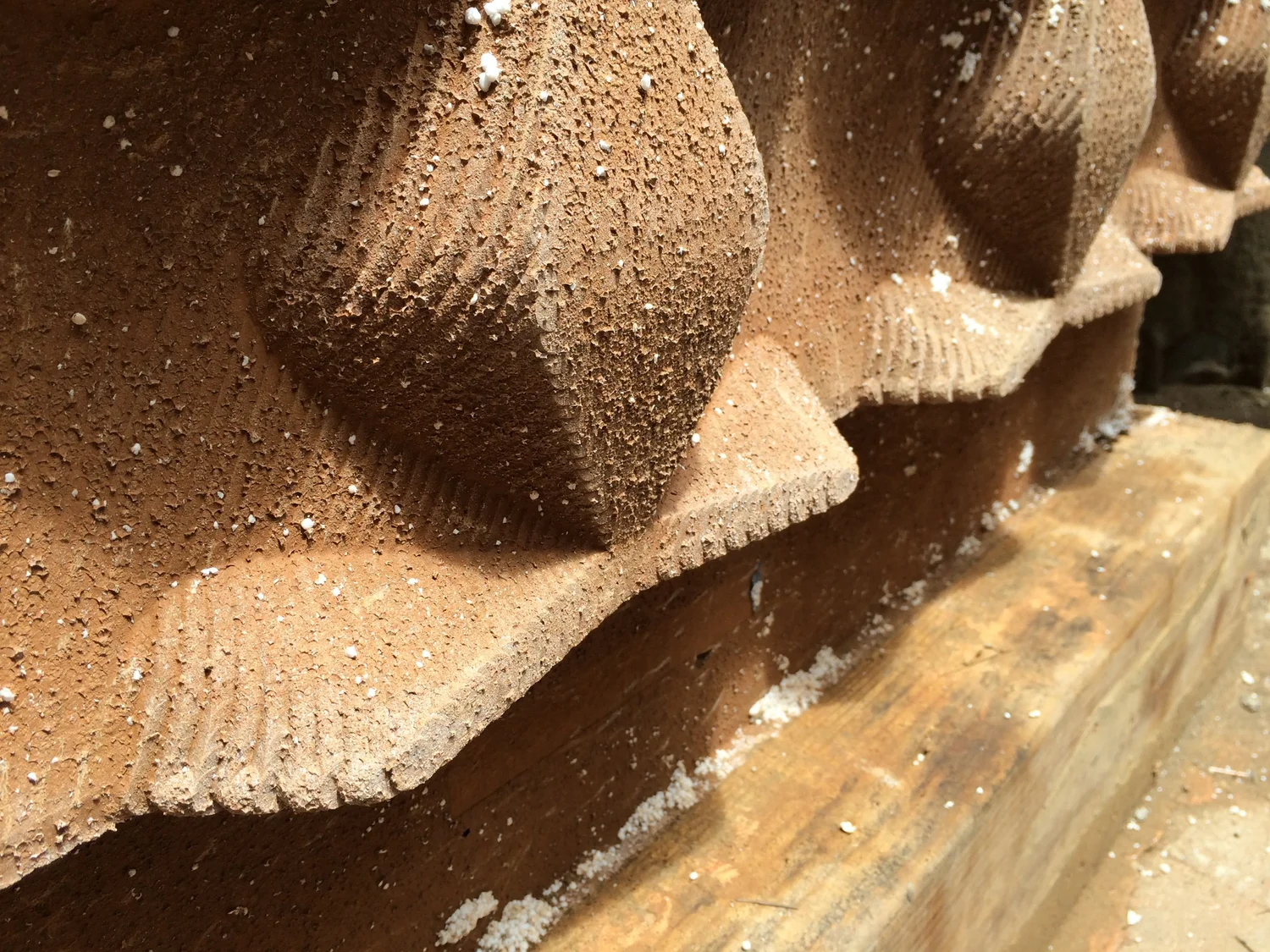
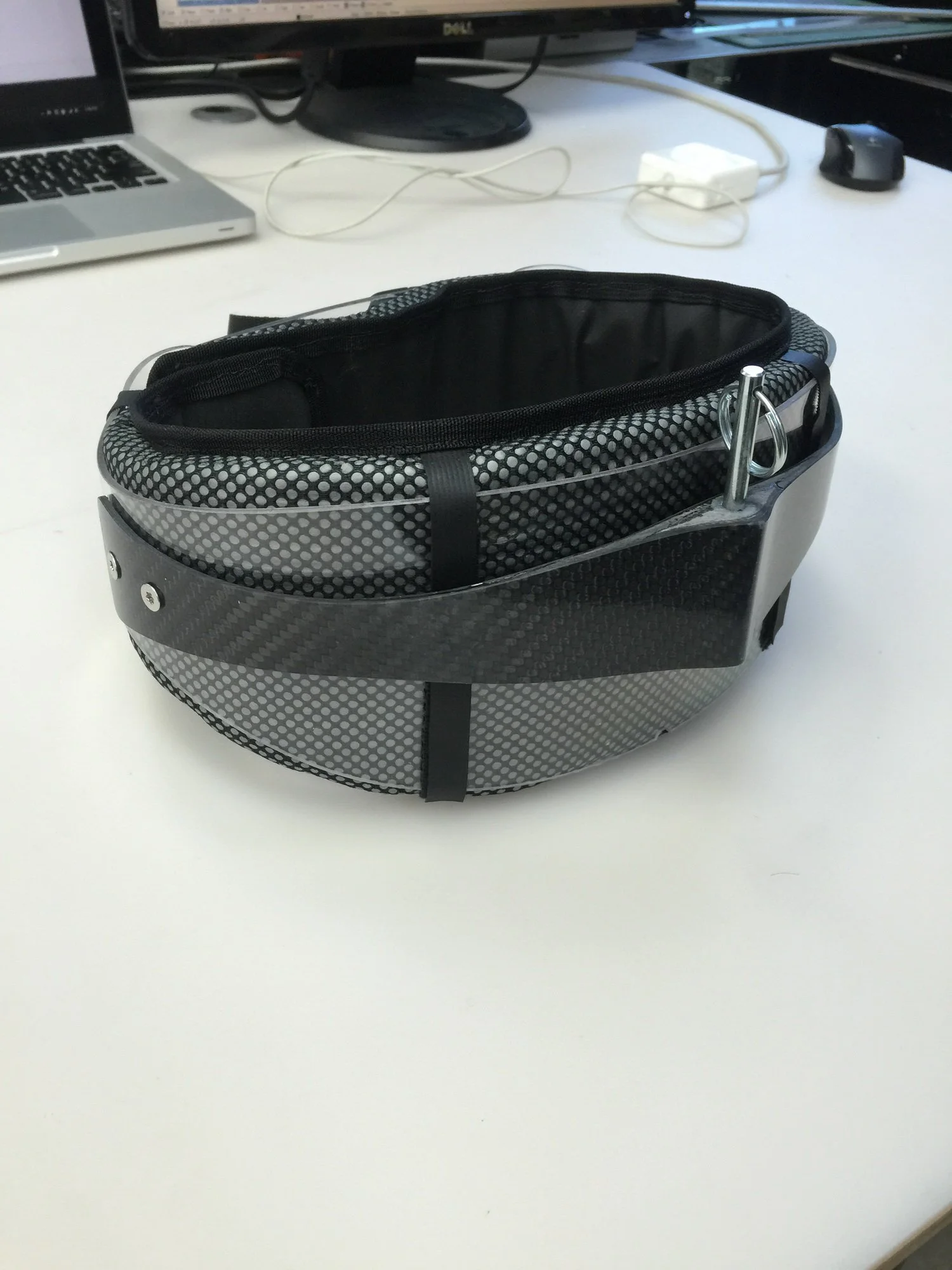
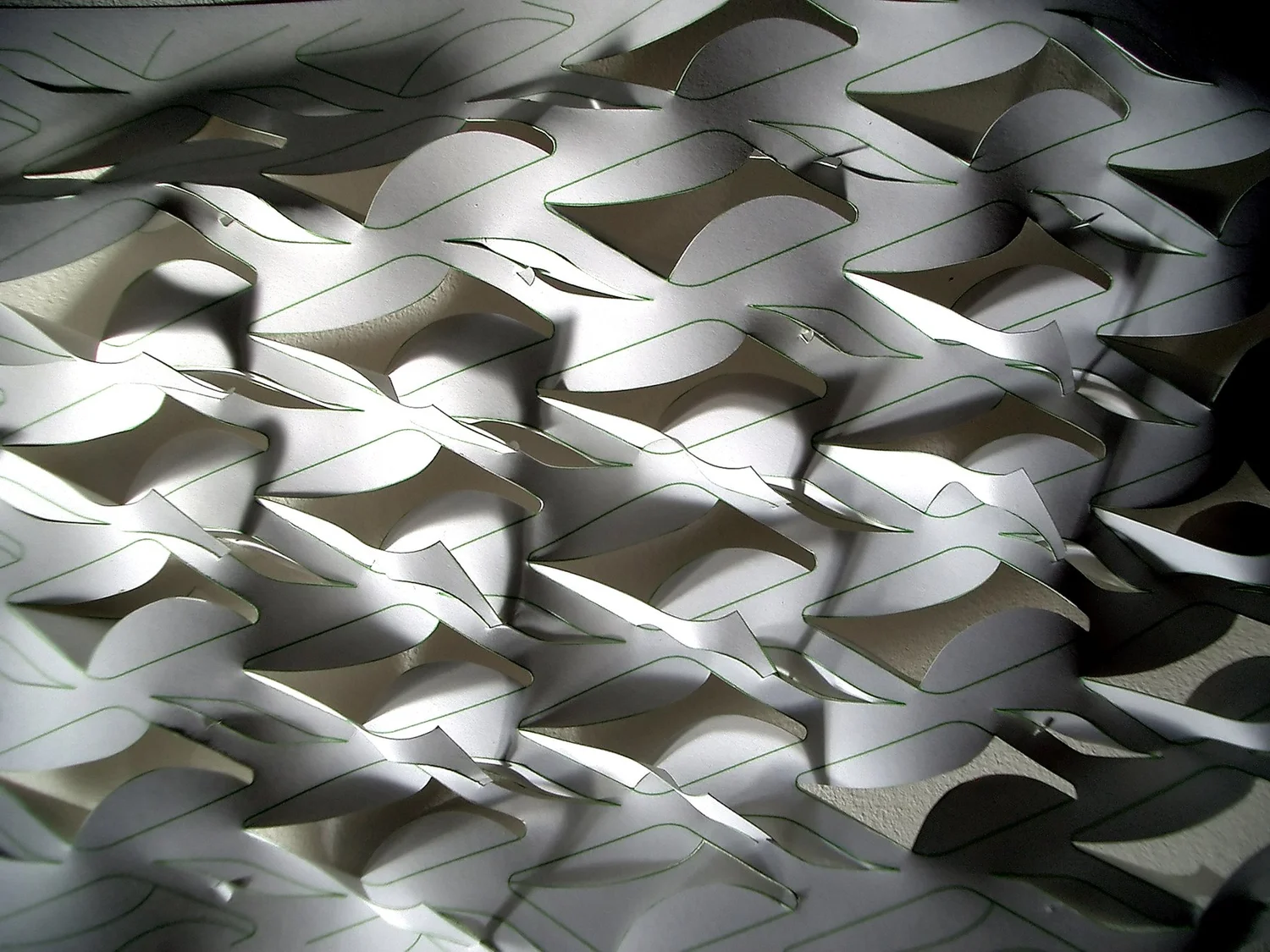
Various full-scale pattern and system prototyping
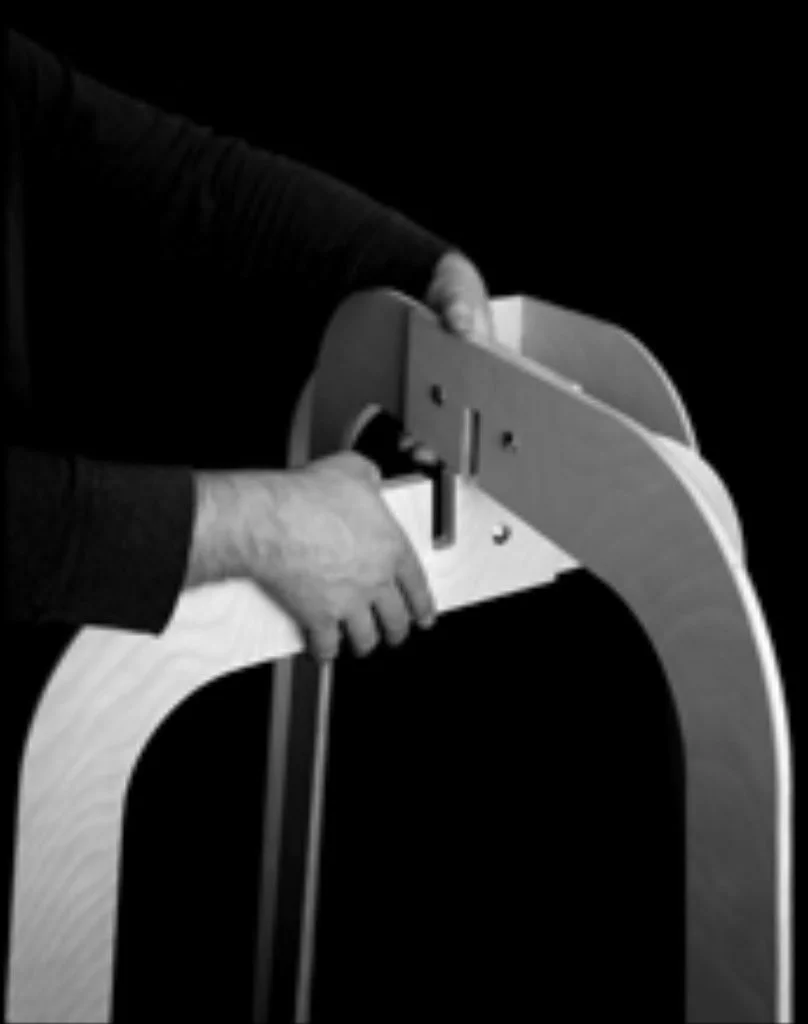
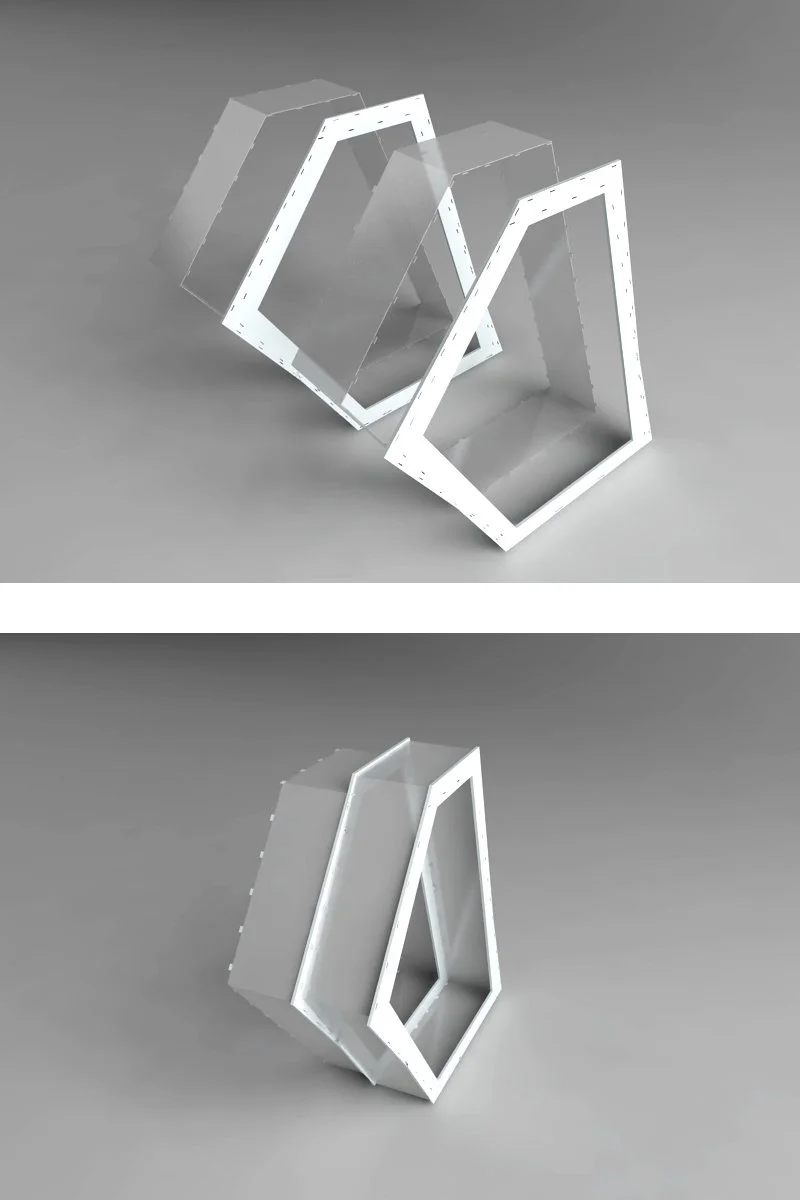
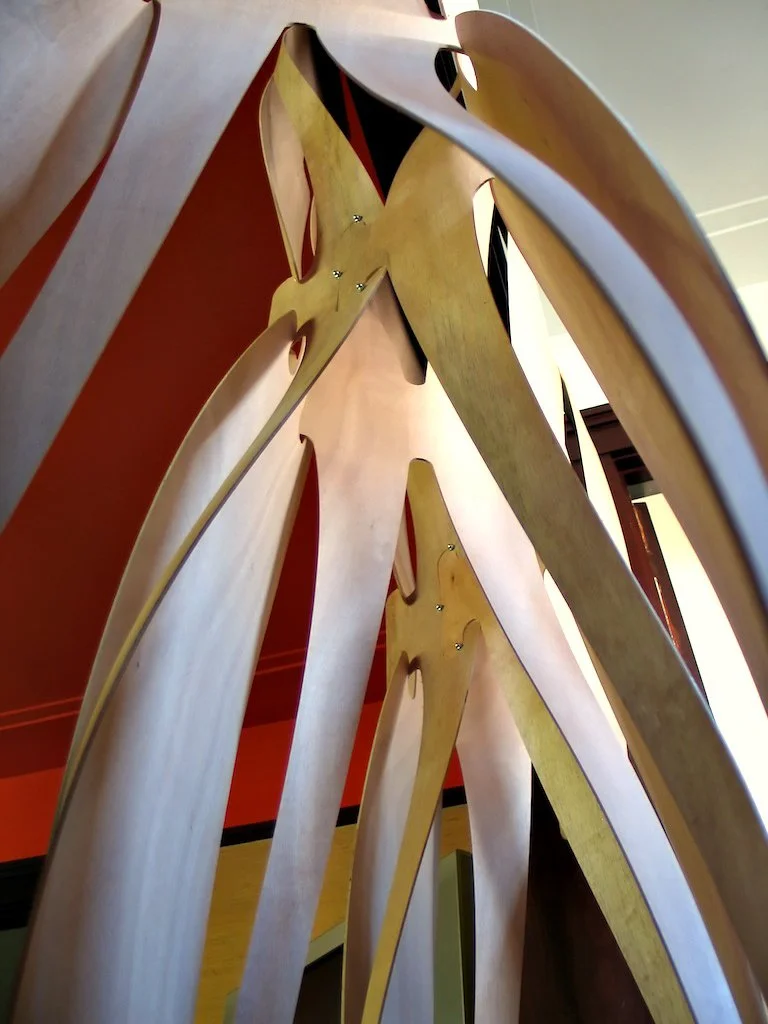
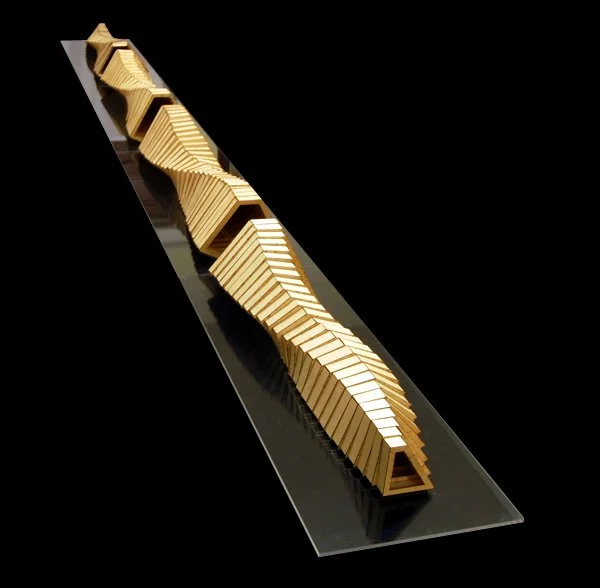
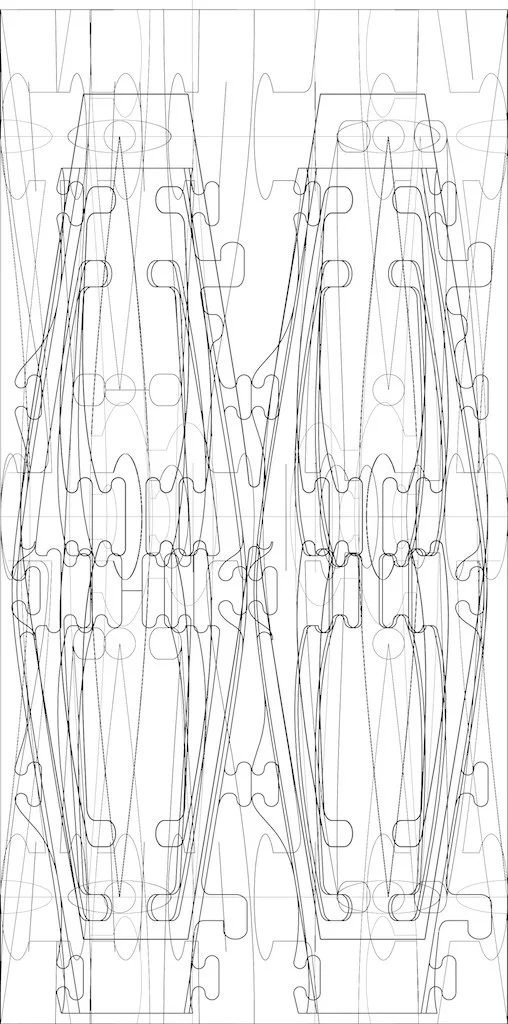
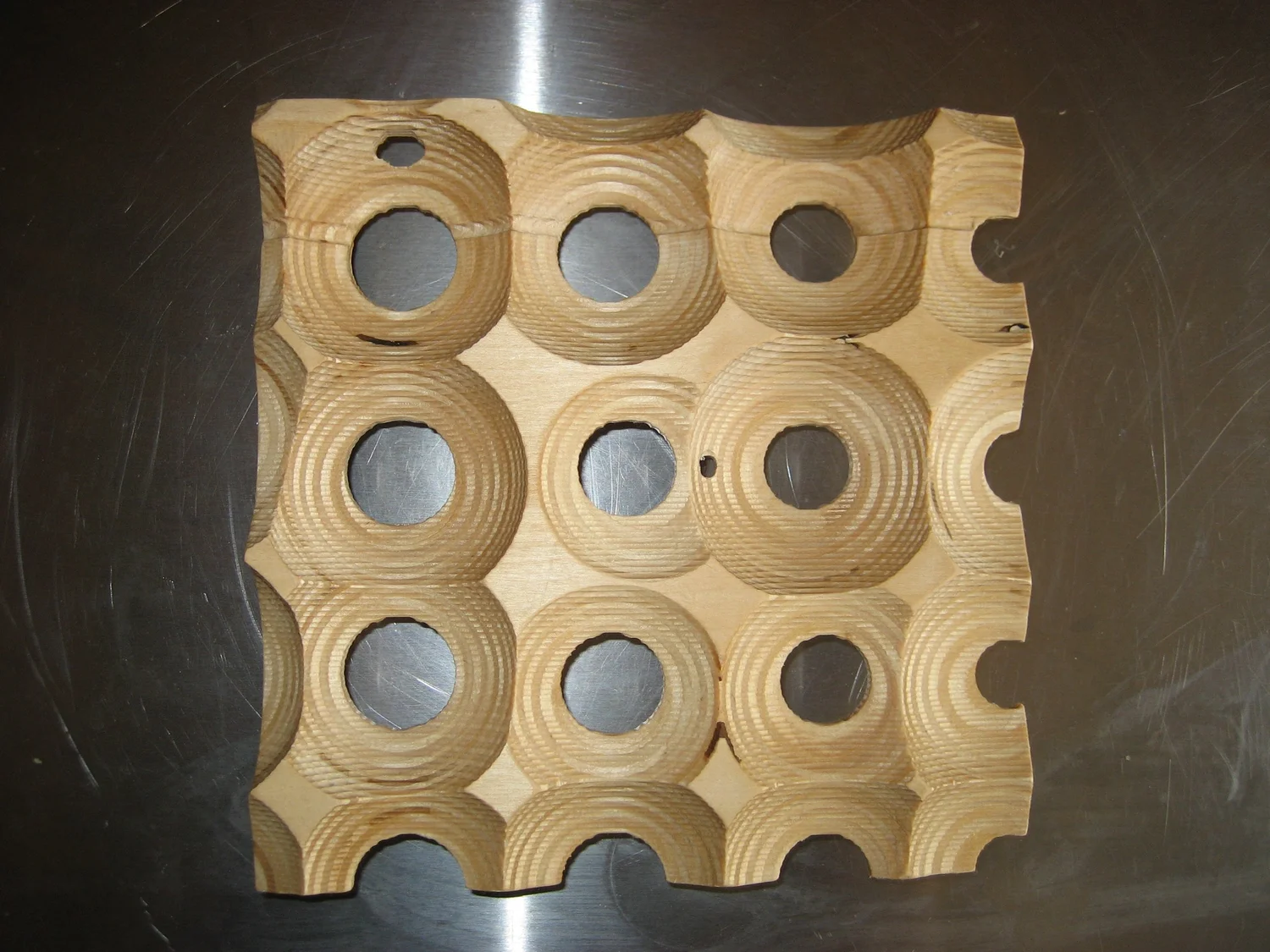
Notch and key based assembly method: early study for the FLUX exhibition.