Beyond geometry: learning to export intent.
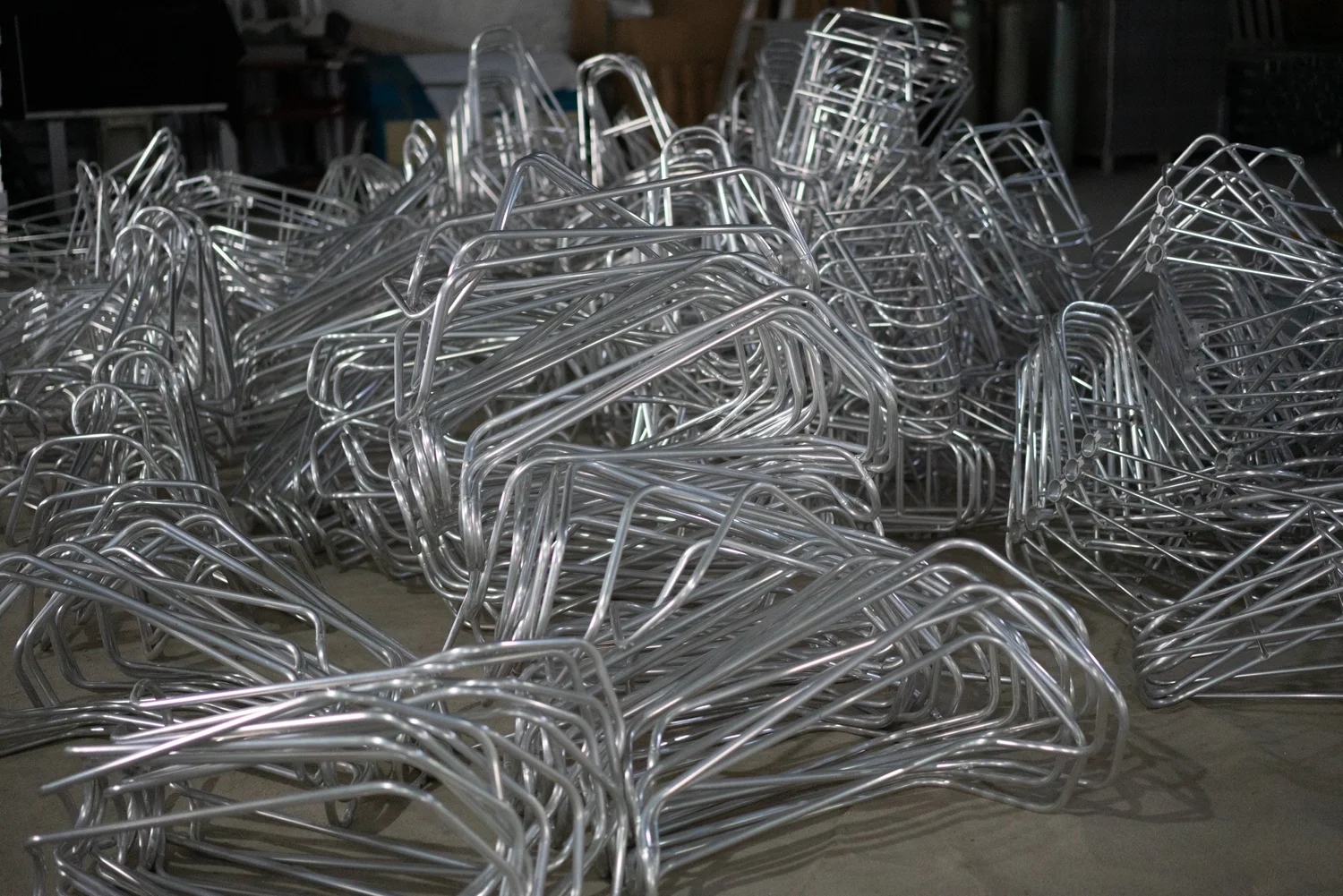
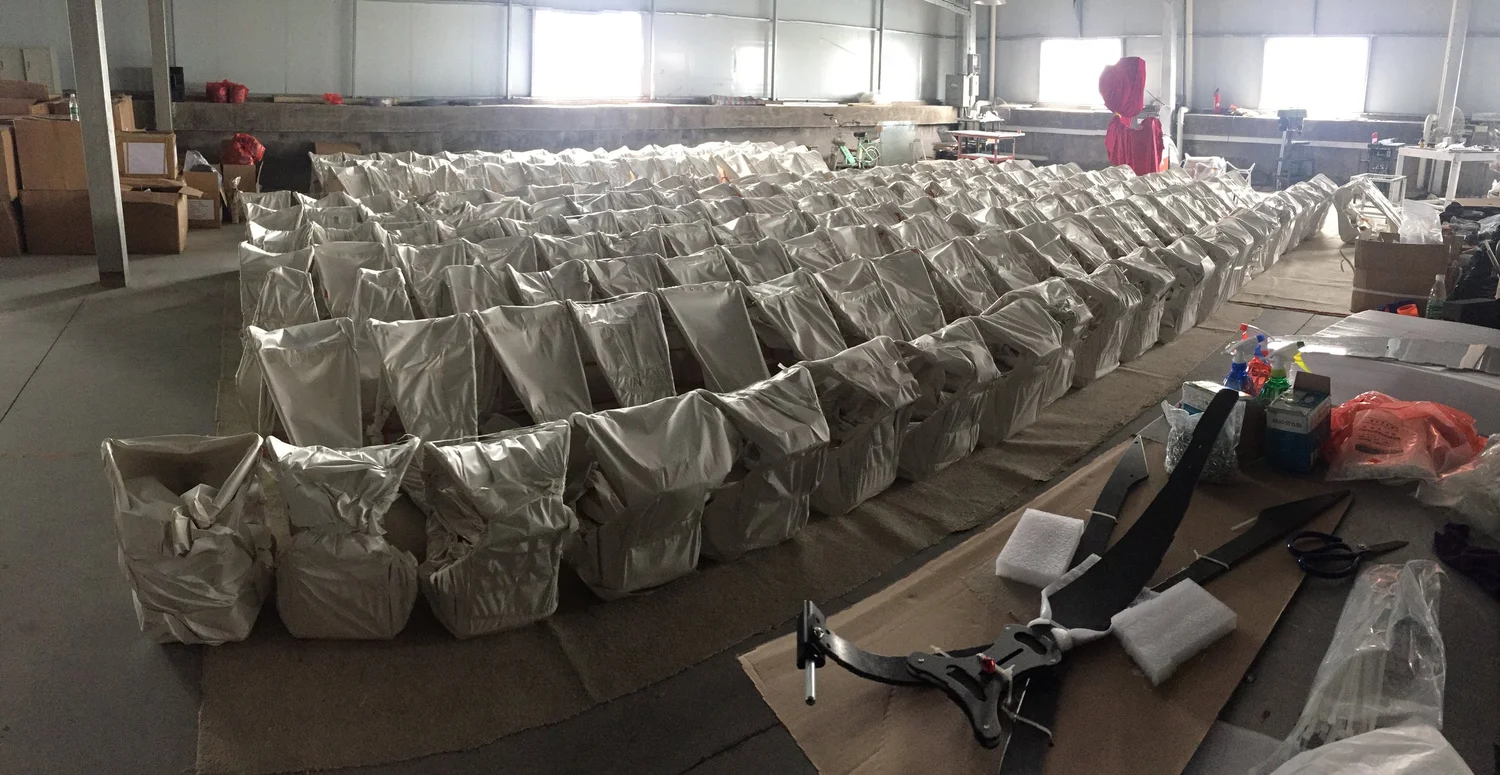
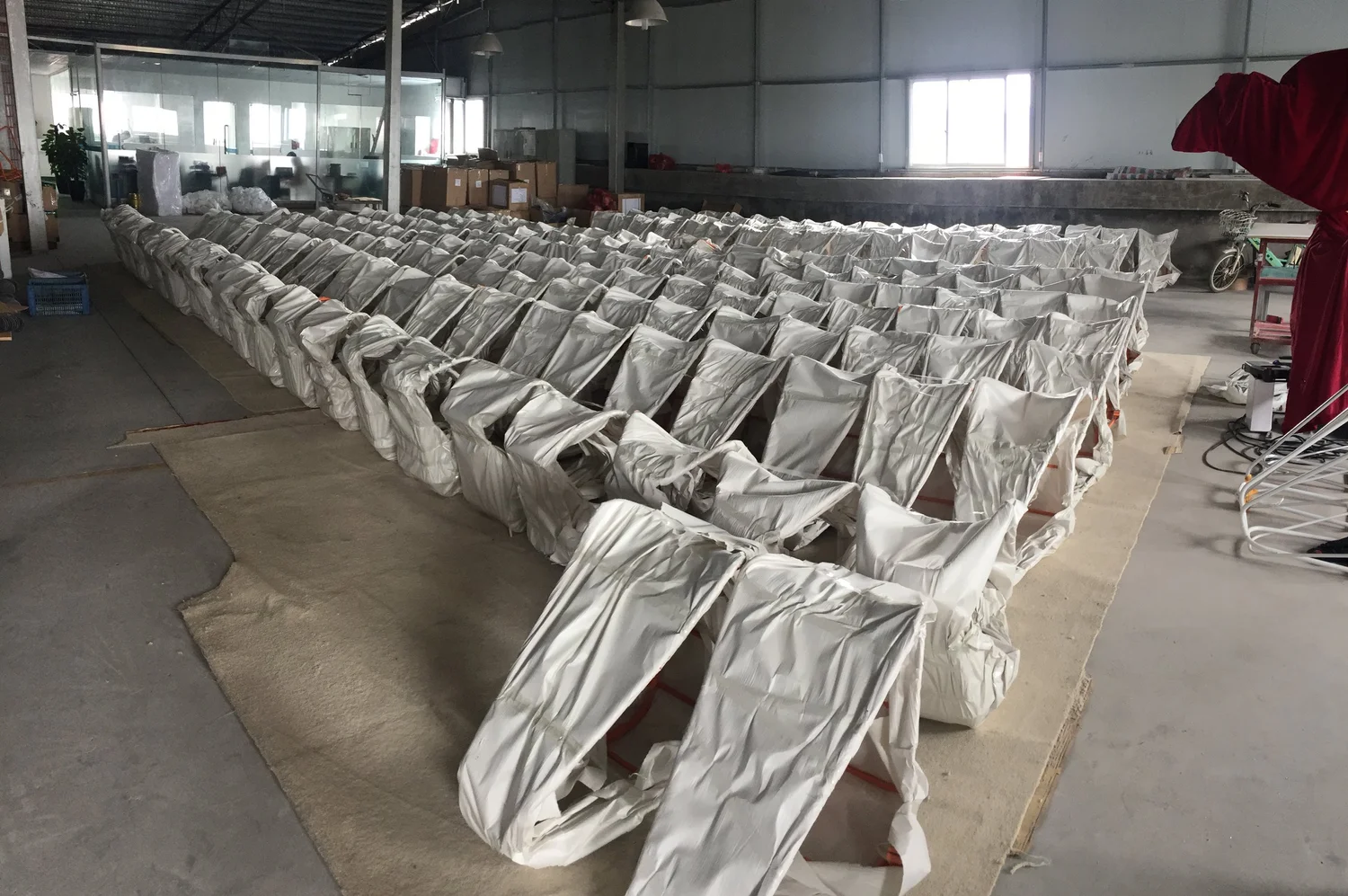
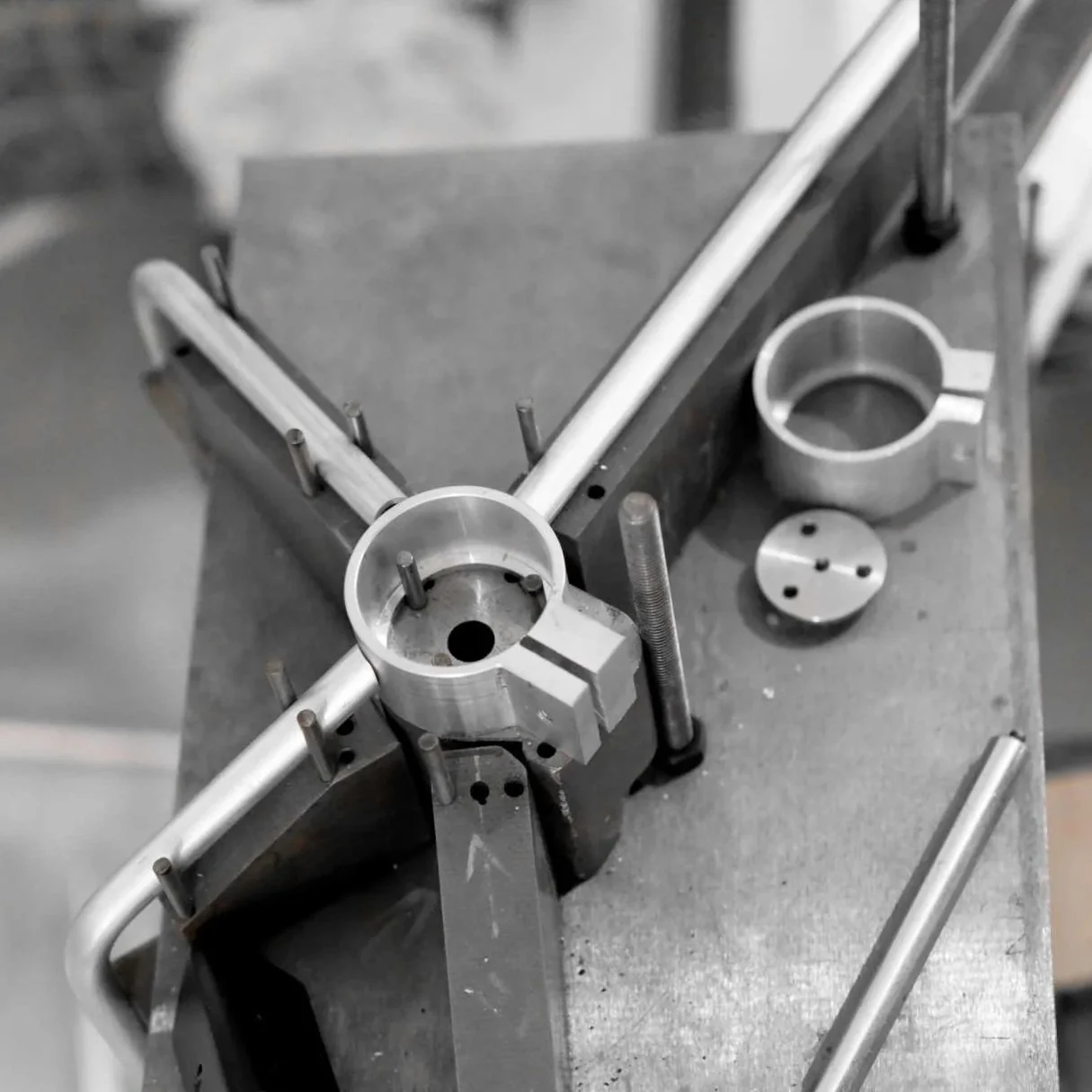
Before KidRunner went offshore, ten units were built by hand—onshore, in-house. Each one a test of geometry, material, and intent. These early builds compressed the loop between design and fabrication until conversation replaced documentation.
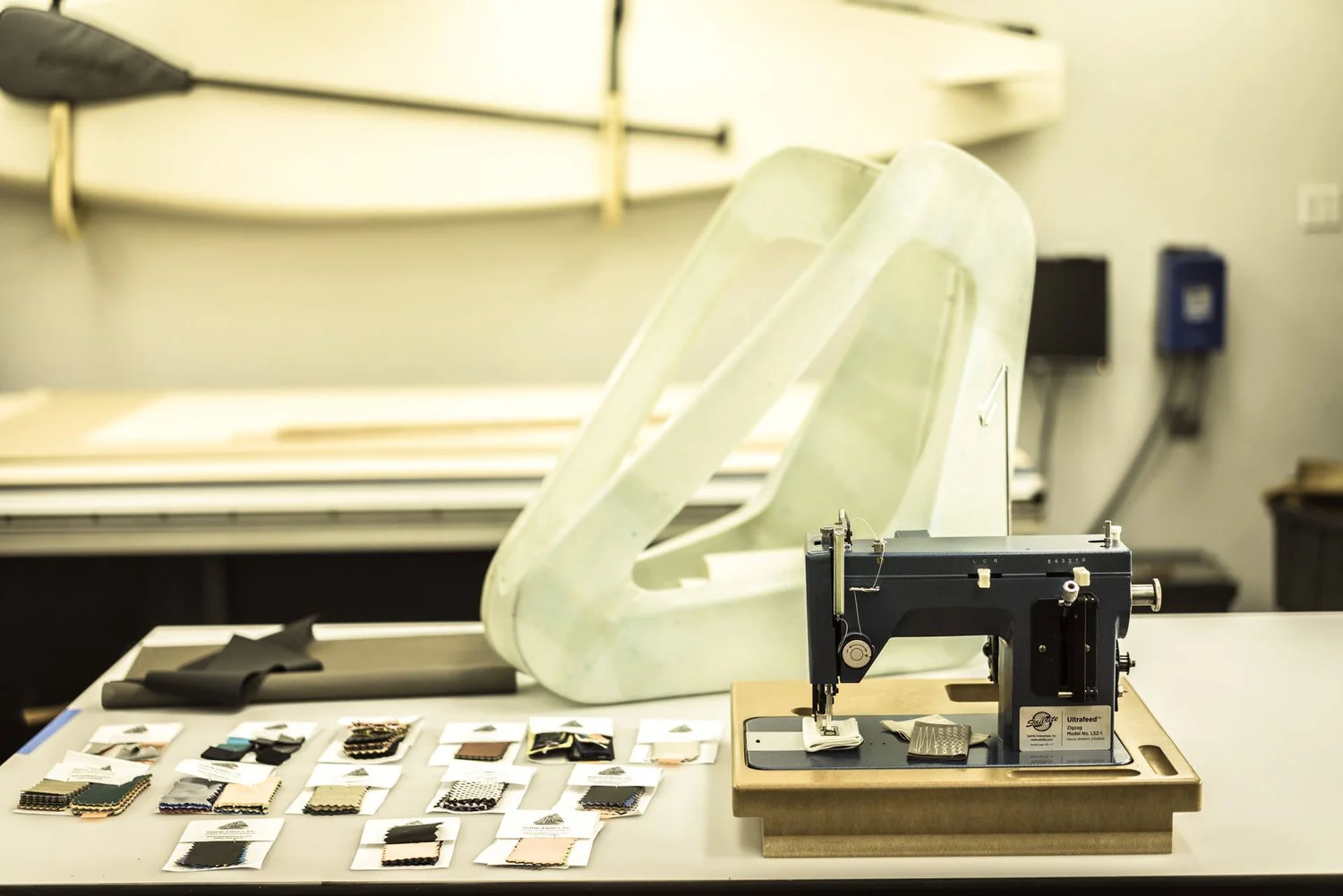
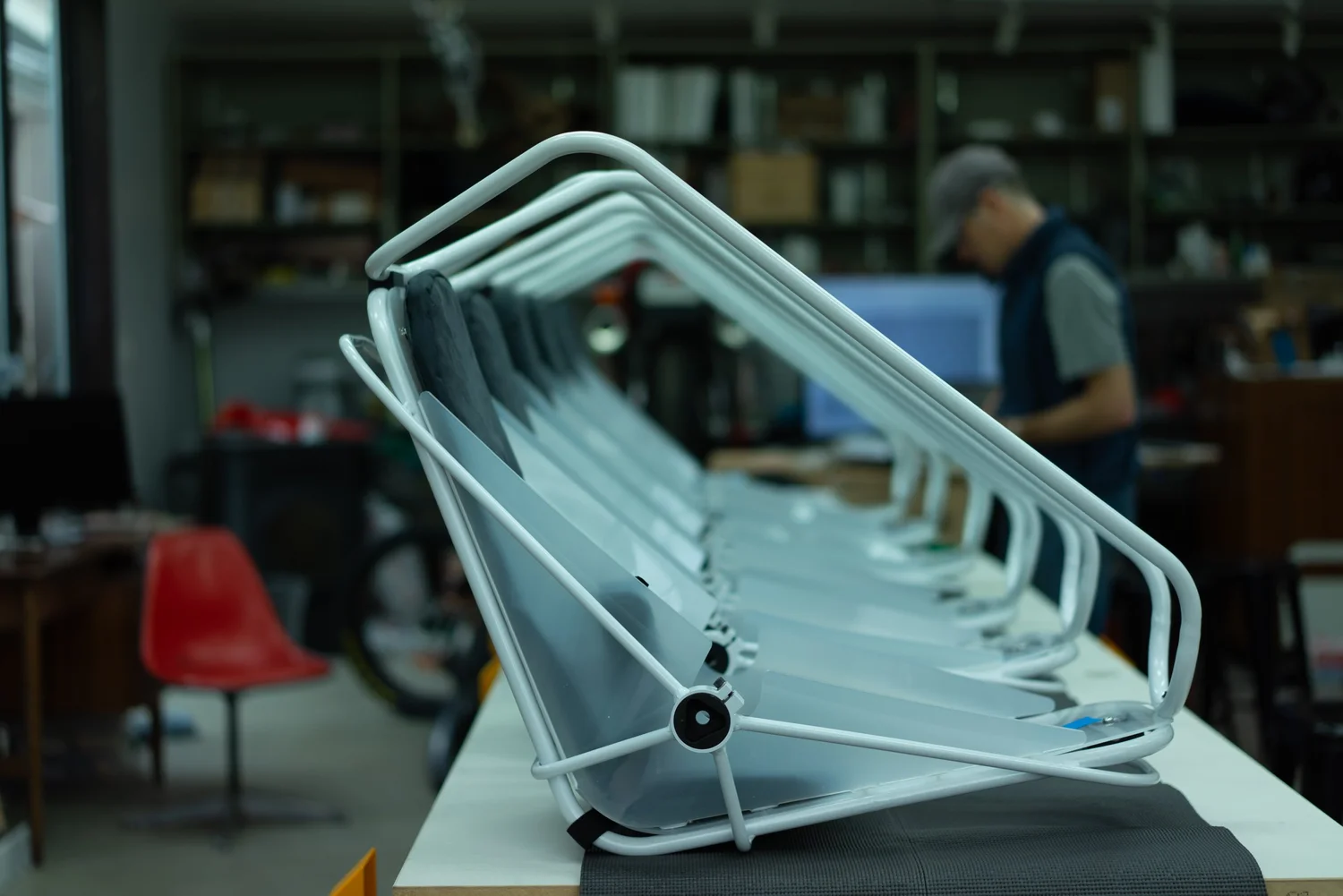
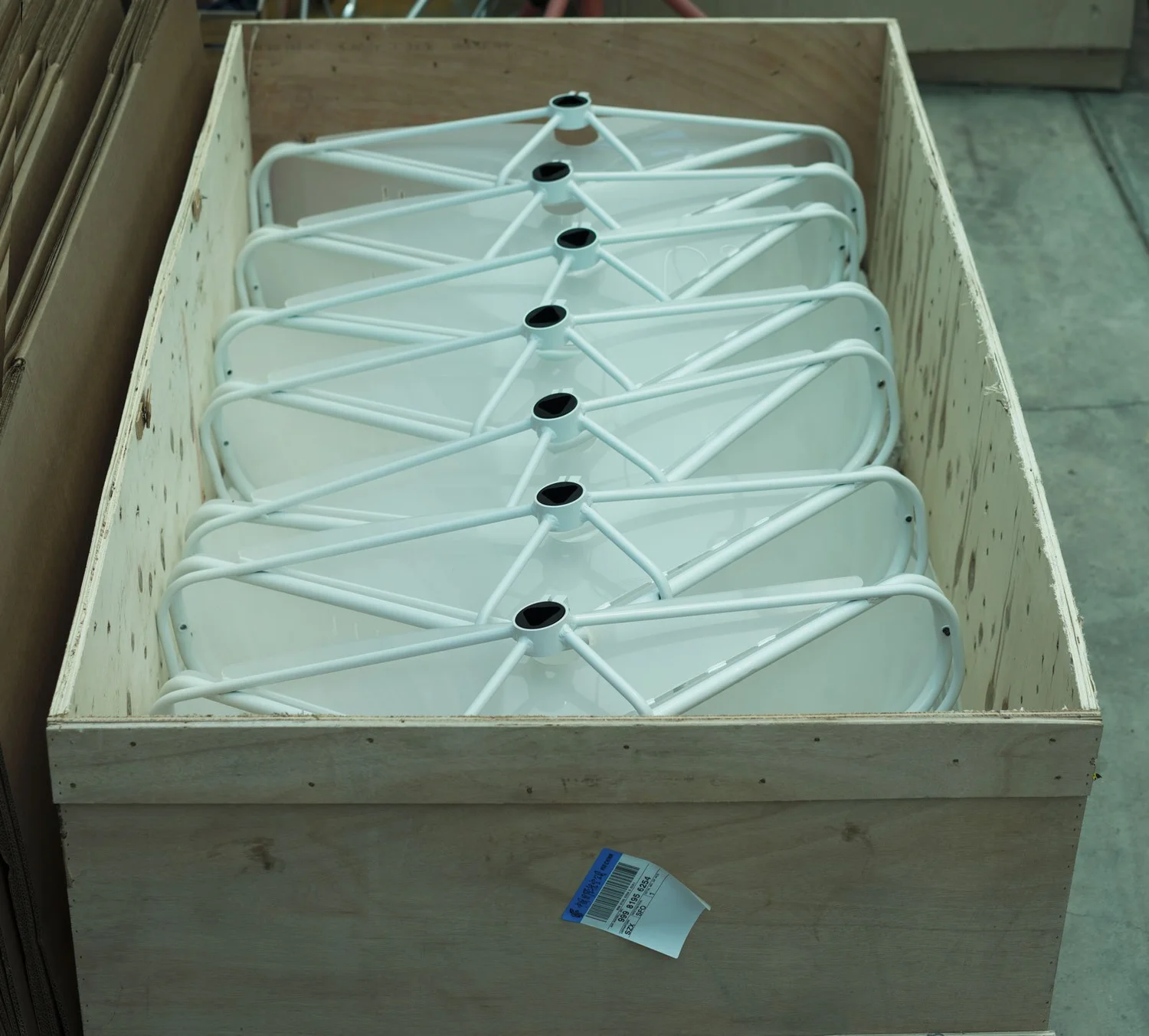
It was a necessary rehearsal. The promise of seamless 1:1 translation—of simply sending geometry and a spec sheet across the ocean—proved false. What truly bridged the distance wasn’t precision, but empathy: a cultivated sense of rhythm, trust, and curiosity shared between teams.
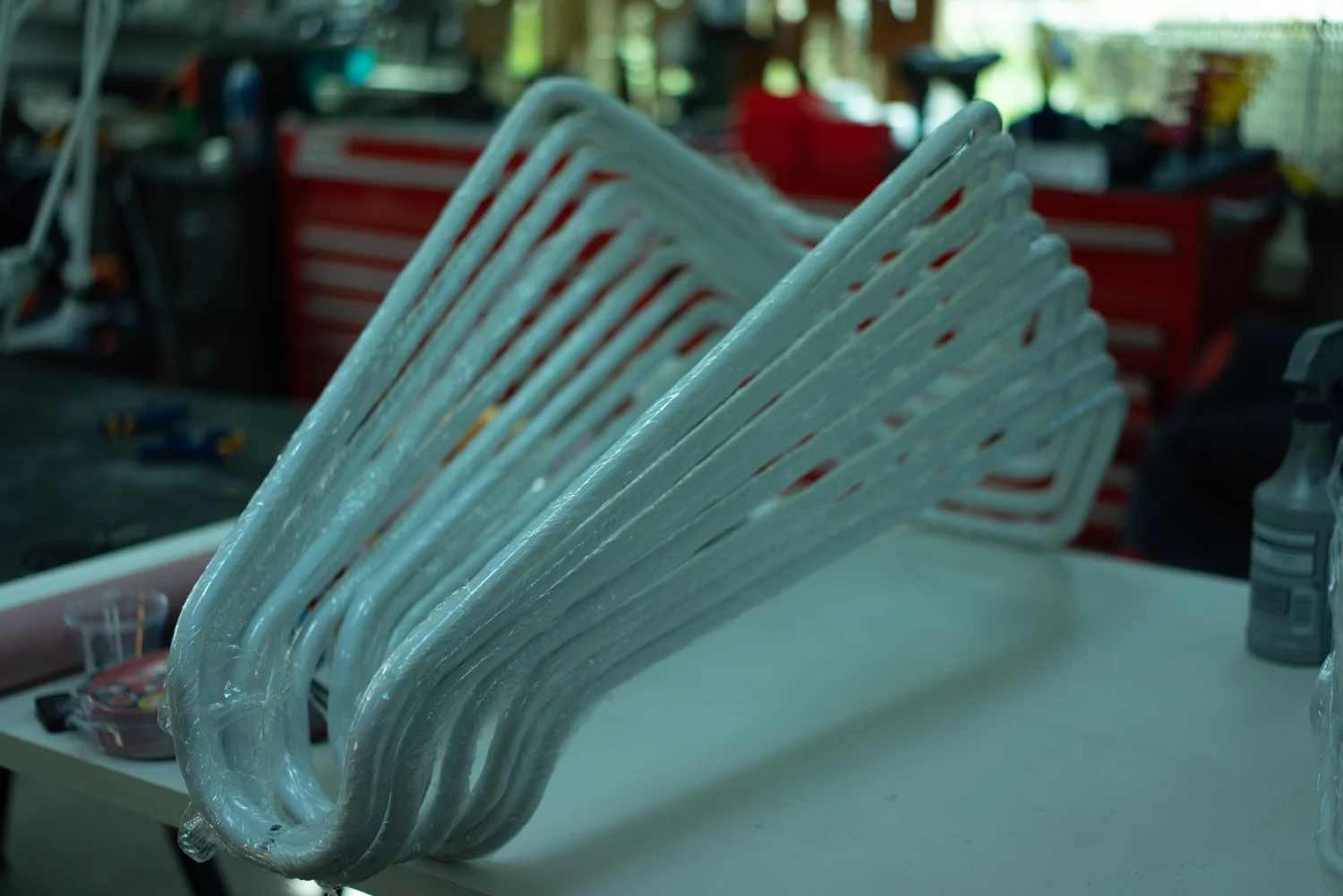
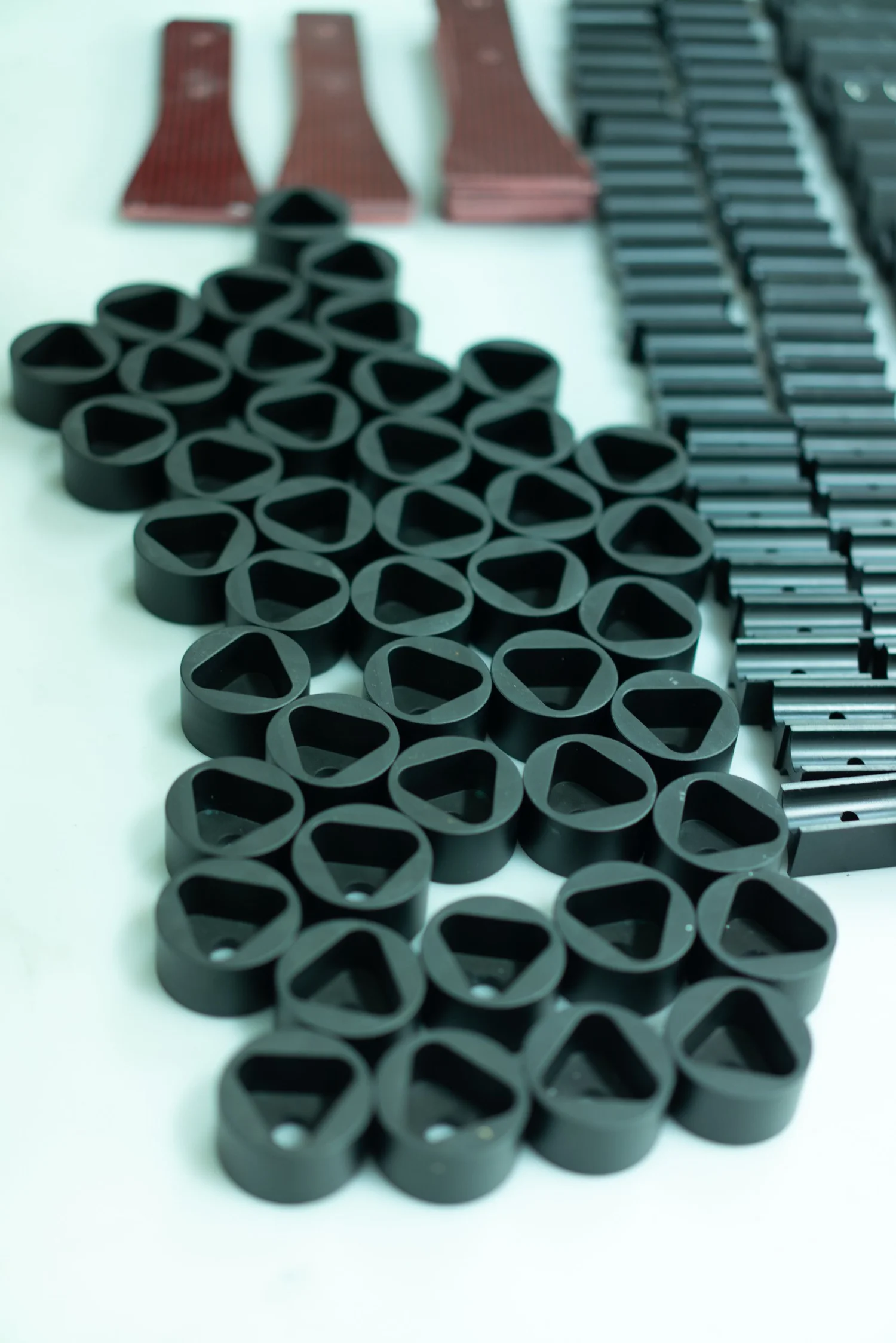
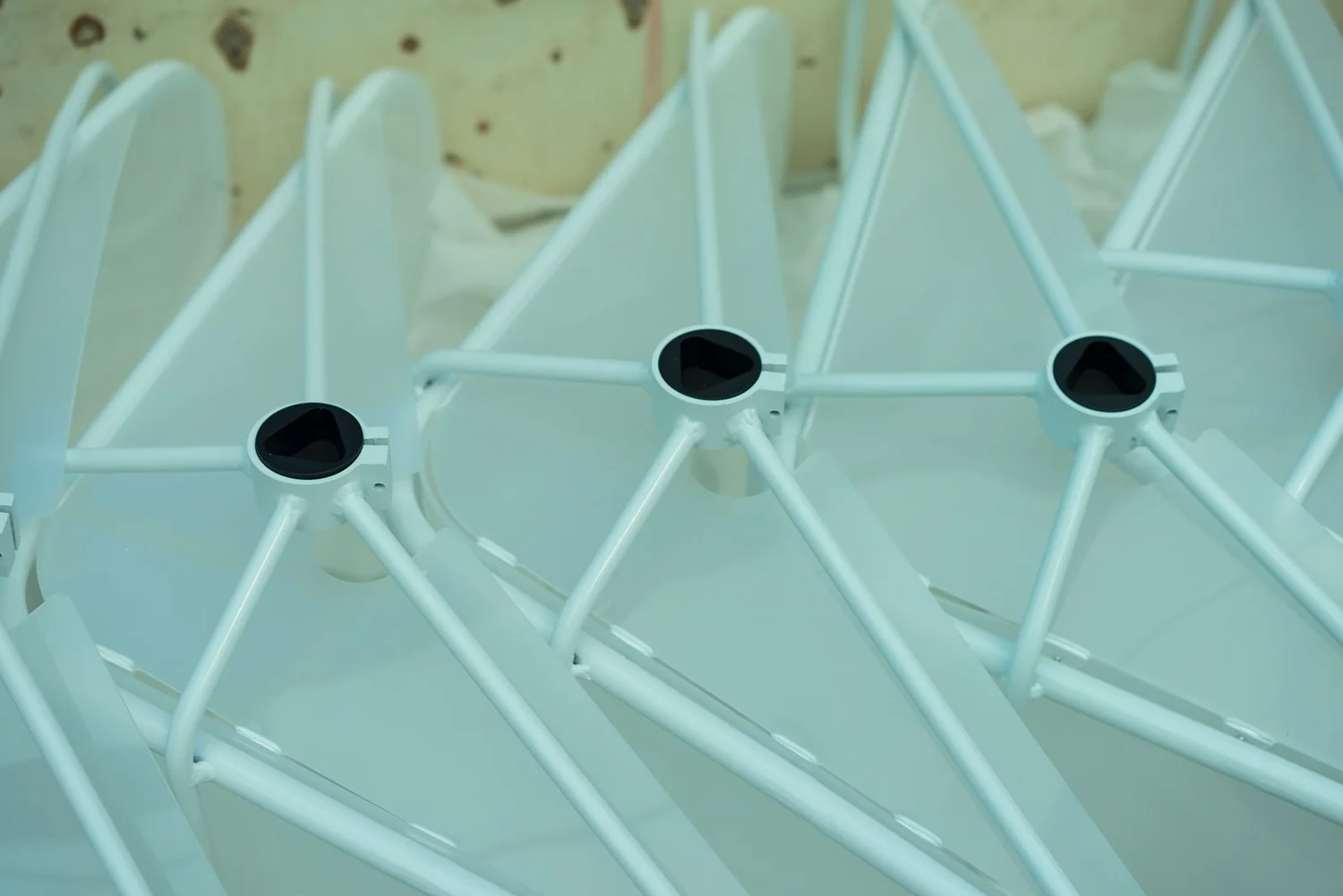
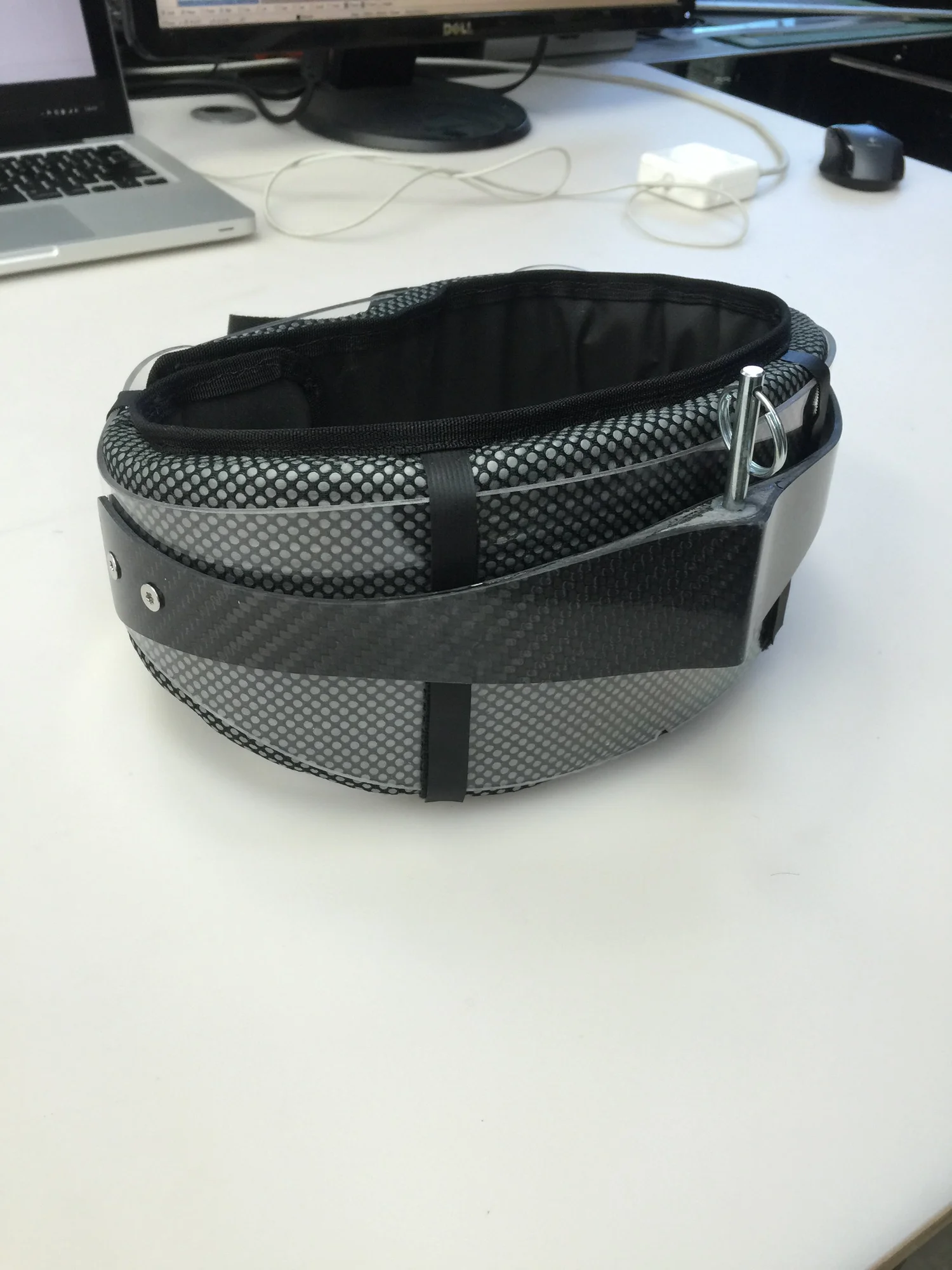
This intangible current—call it ethos, attunement, or simply vibe—became as critical as the CAD file itself. Without it, the offshore process risks becoming an echo of the original rather than its evolution.

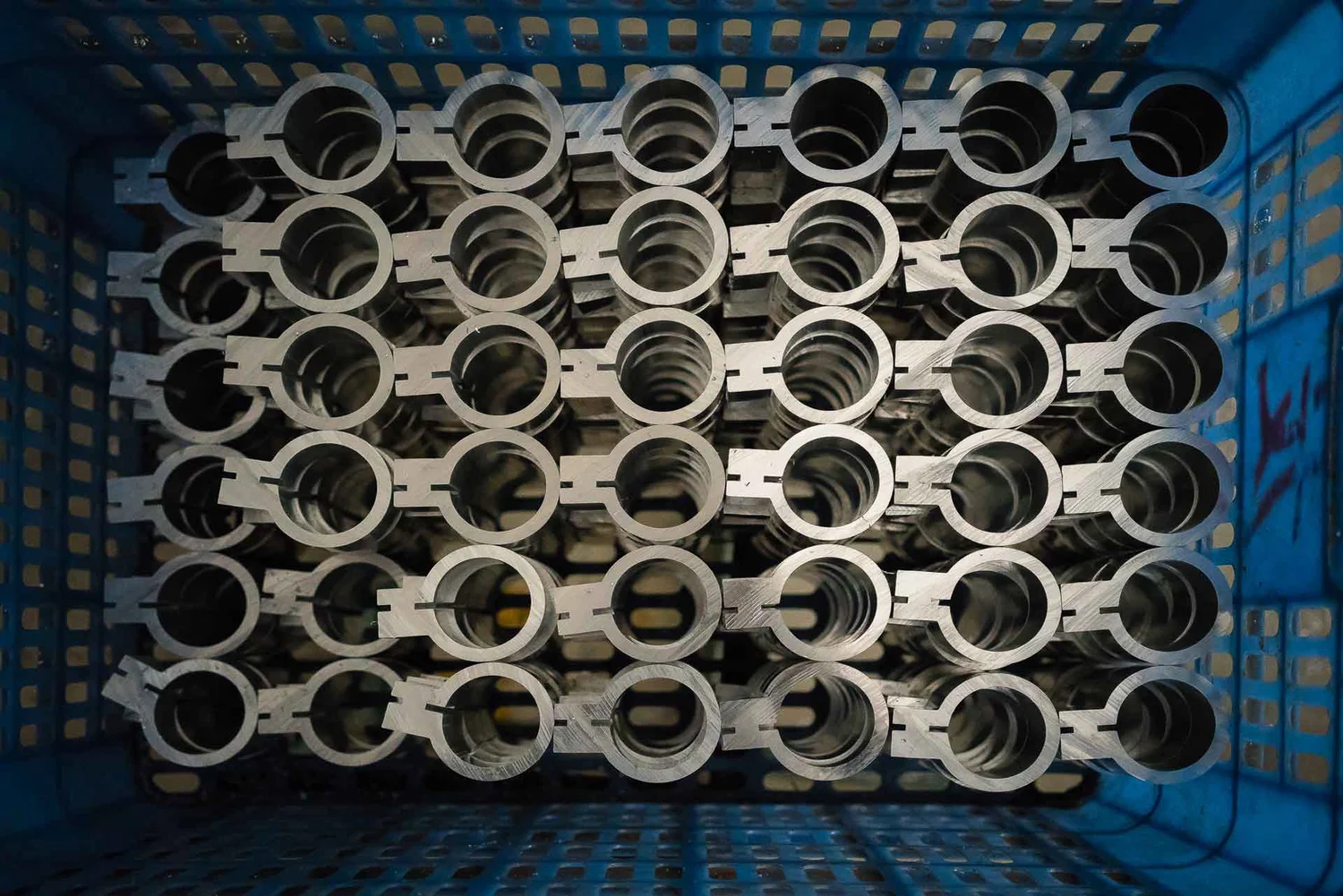
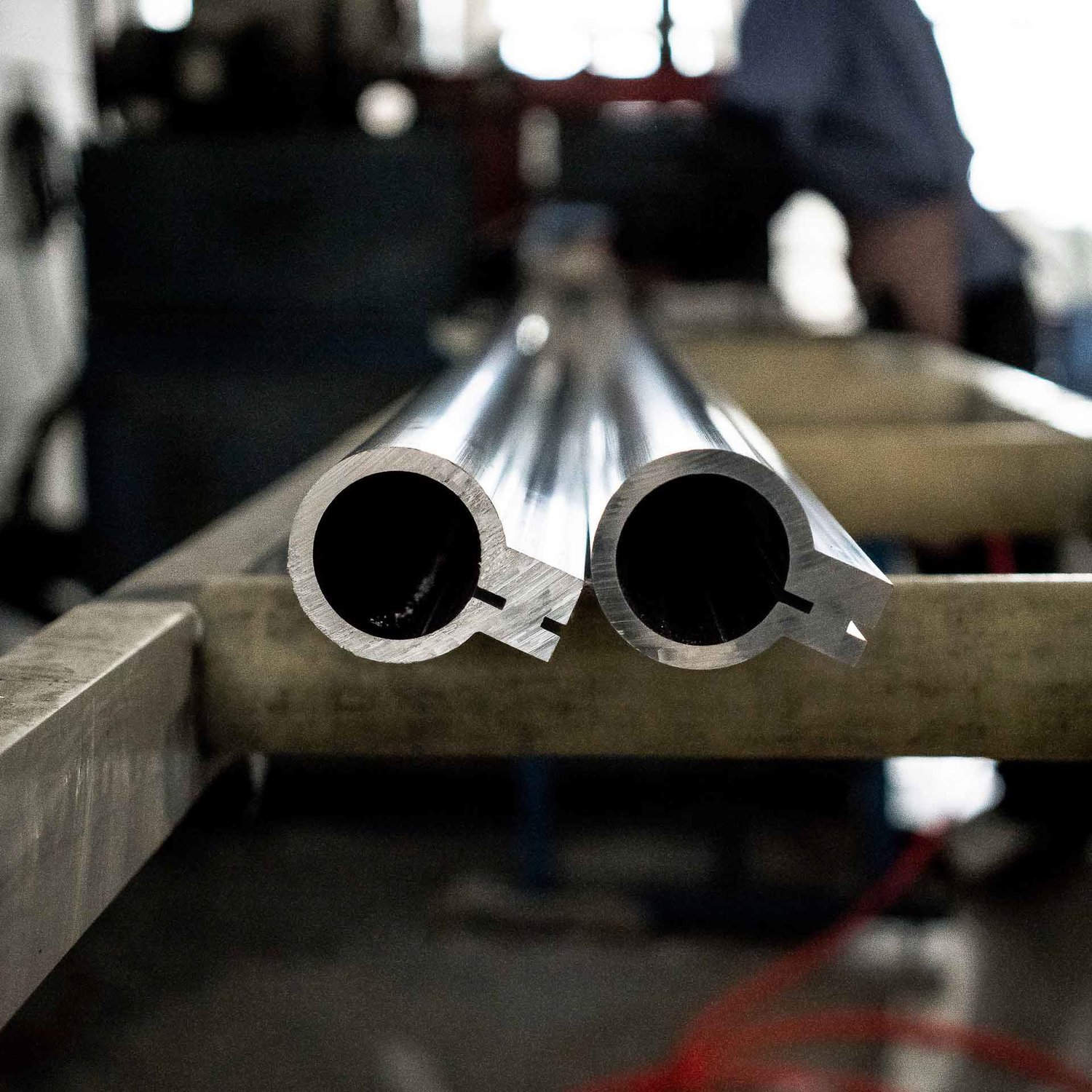
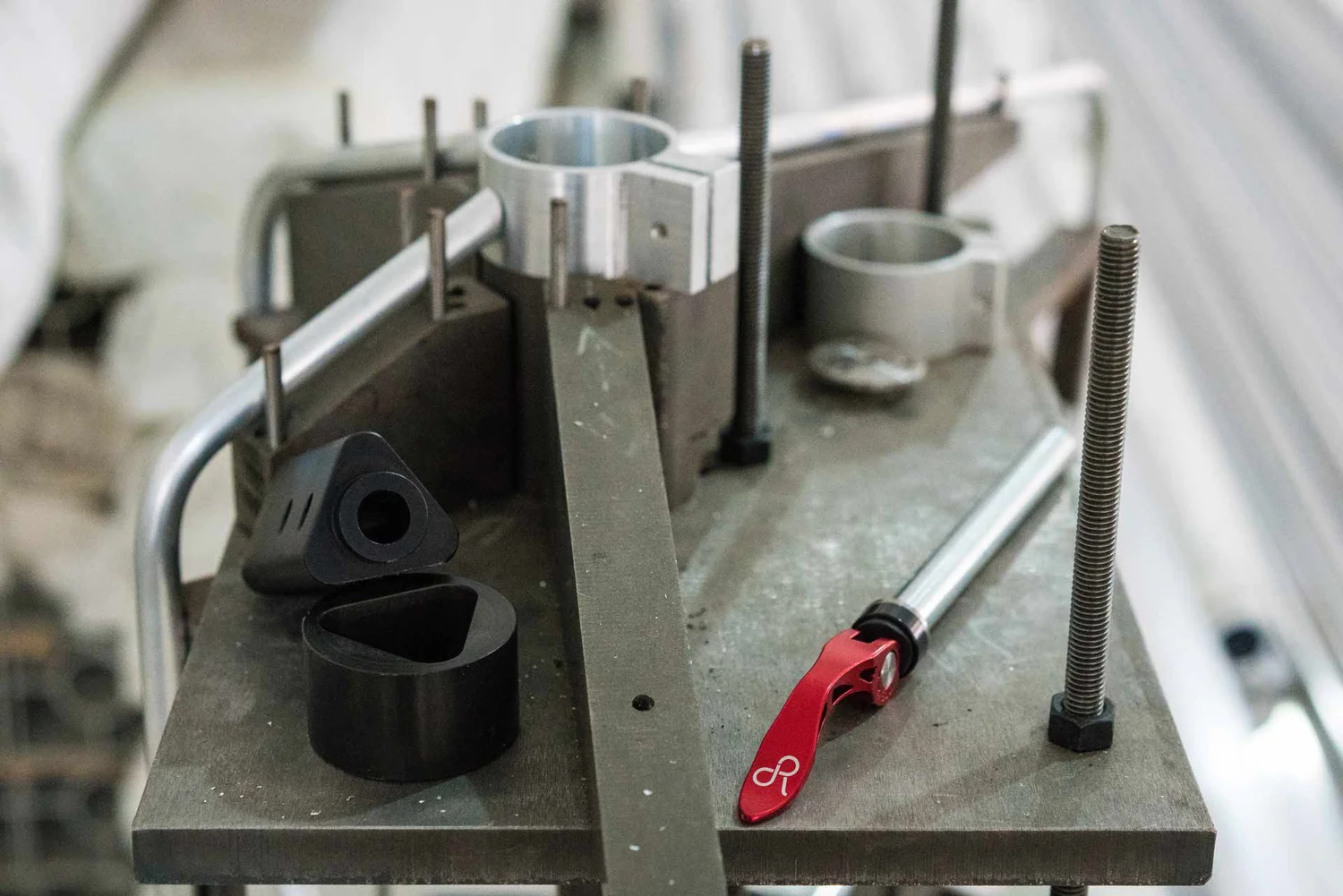
Prototyping in-house didn’t just refine the product; it taught us how to transmit its character.