KidRunner — From first prototypes to production
KidRunner set out to let a parent run without pushing a stroller. S/U/M joined the project while the product was still being worked out. We had to develop something that performed well for runners, carried a child safely, and could eventually be manufactured.
Time and funding were limited. Each prototype needed to answer more than one question, and the work had to continue while parts and production methods were still changing.
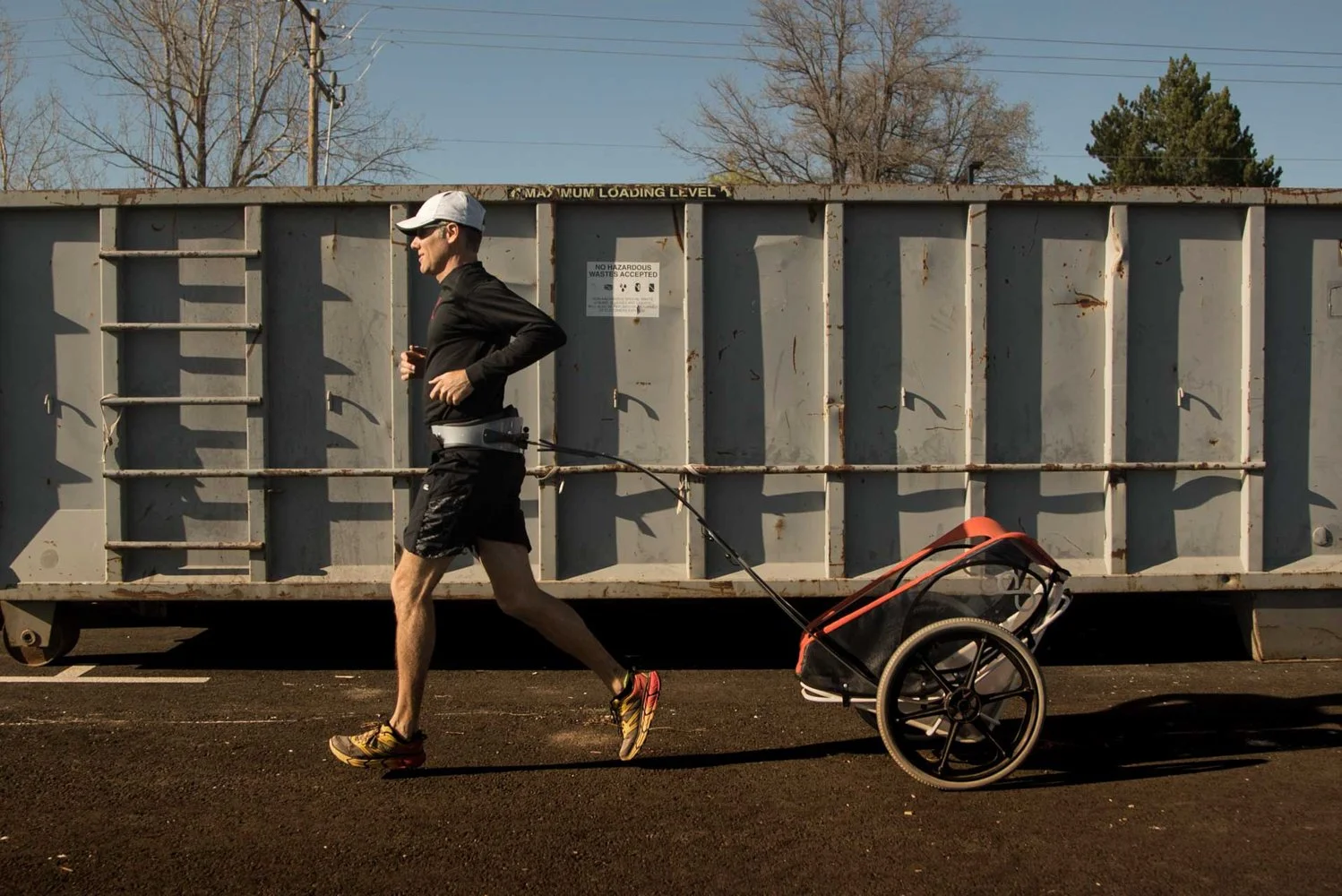
The idea sounded simple: put the child behind the runner. But the relationship between the runner, the harness, and the trailer took careful work. That became the focus of much of our prototyping.
Working without a production roadmap
We couldn't start with a finished set of production drawings. We identified what each build needed to answer, whether it was geometry, handling, assembly, or cost, and used those findings to plan the next version.
Building in-house and offshore
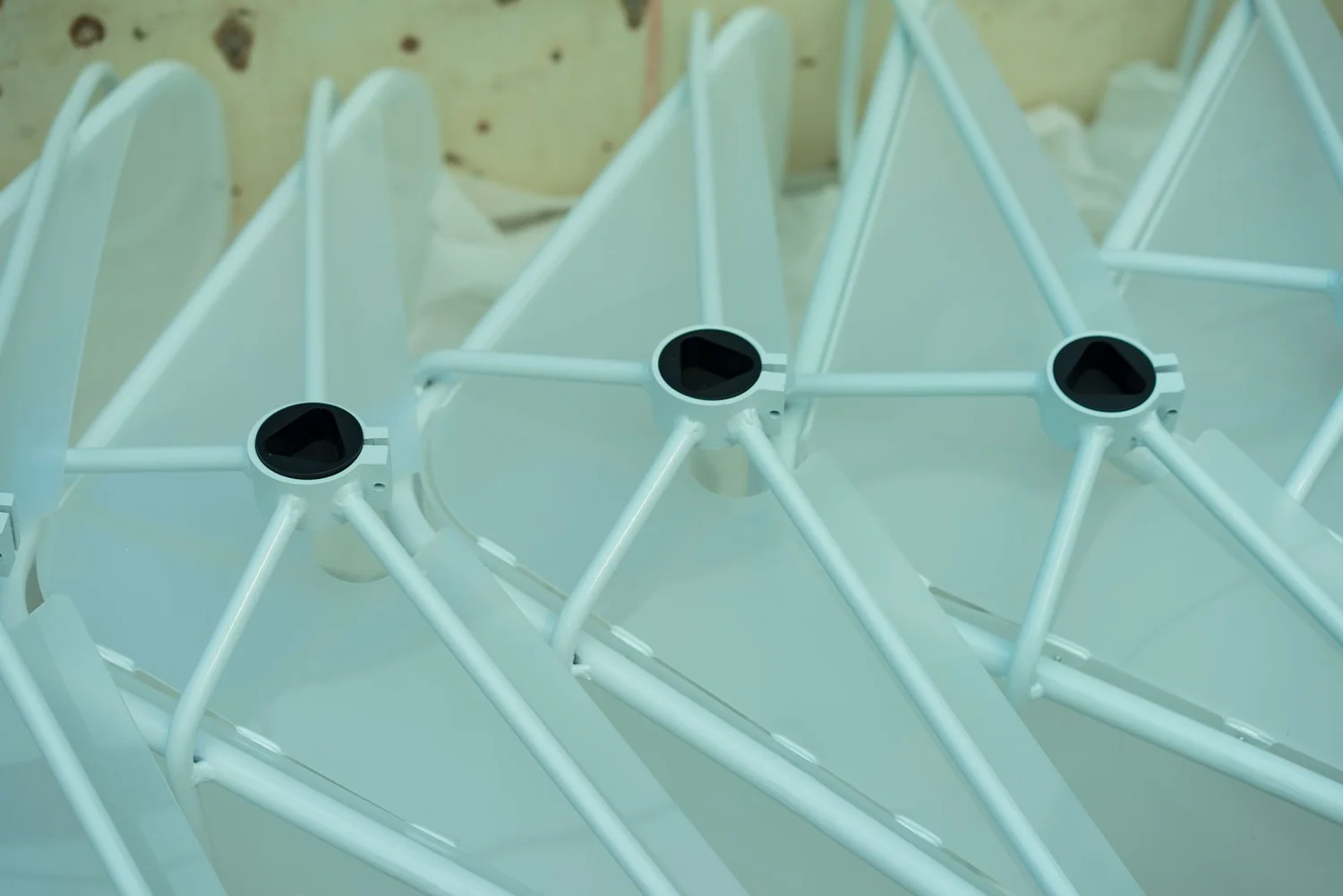
For the first ten units, offshore partners made components that needed industrial tooling, including carbon shells and machined fittings. In our shop, we continued developing the harness, assembly sequence, and the parts that were still changing.
That split let the more settled components move ahead while we kept testing what was unresolved. The two sides of the process had to inform each other as the design developed.
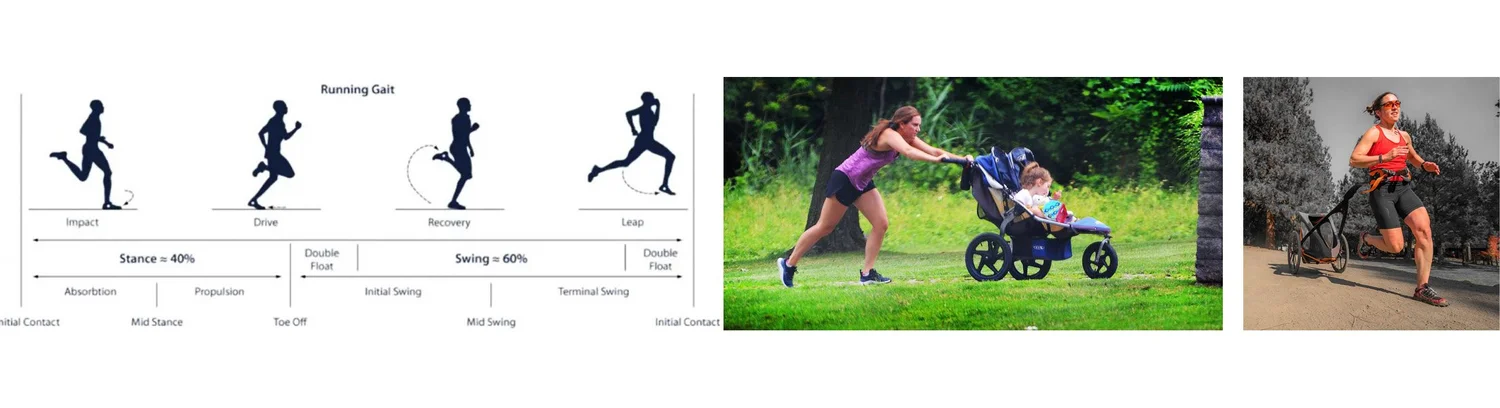
We asked a small group of experienced runner-parents to try the prototypes. Their feedback on stride mechanics, balance, and handling added information we couldn't get from models alone.
Testing beyond the workshop
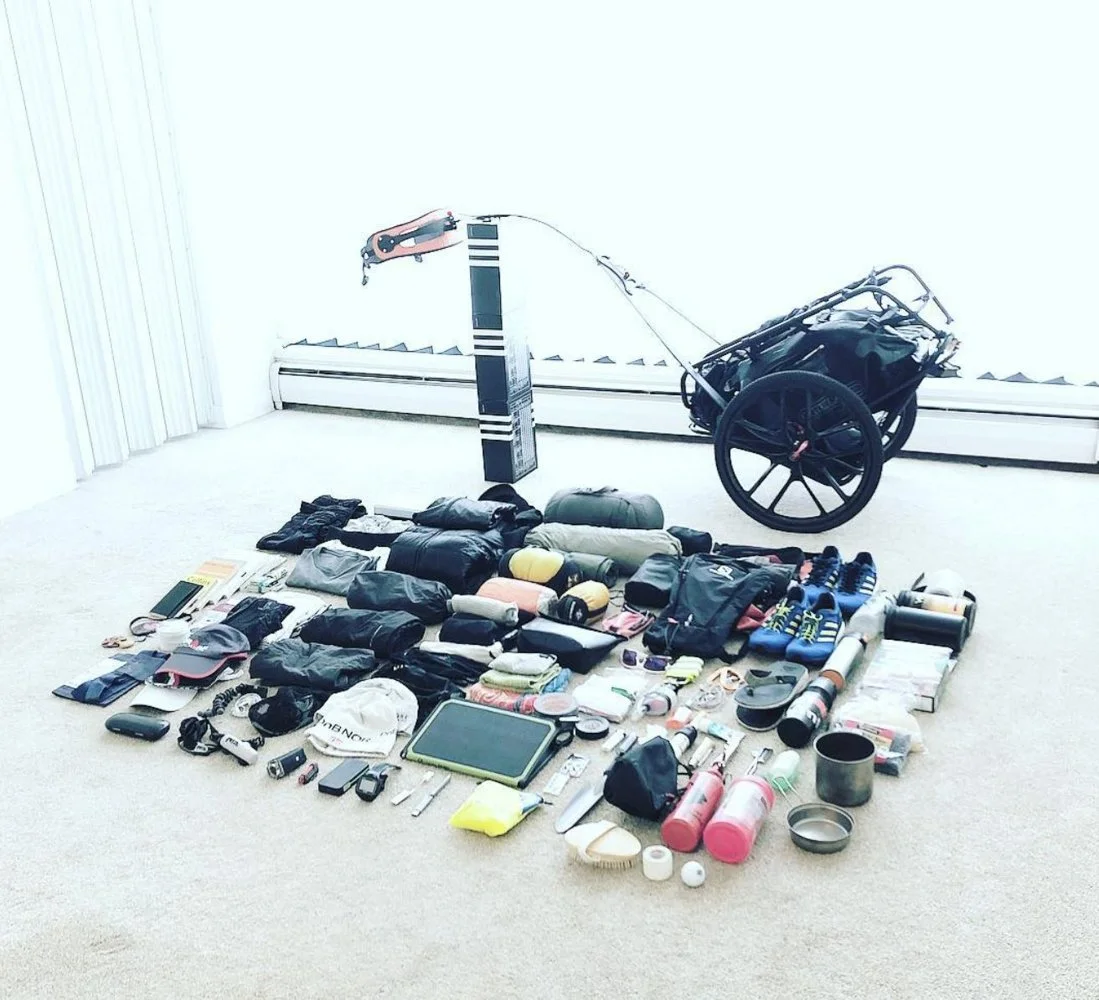
Runner Max King won a competitive 10K with his daughter in a KidRunner. Jan-Caspar later used a KidRunner to run unsupported from Canada to South America. Those experiences put the equipment to work in conditions far beyond our workshop.
Long distances and repeated use raised questions about durability and handling that short tests couldn't answer. We learned from what people did with the product, as well as from what we had designed it to do.
Showing the work in public
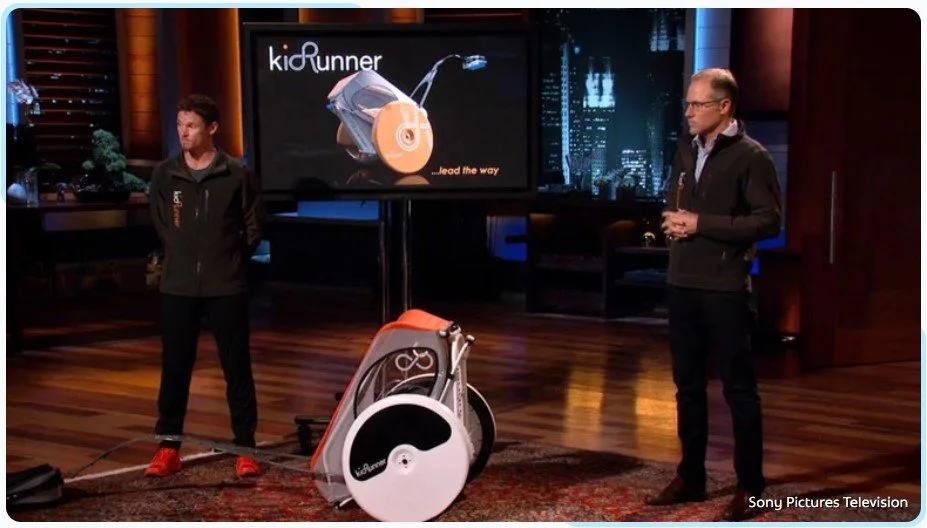
Field tests, photography, investor conversations, and an appearance on Shark Tank introduced the product to people who hadn't followed its development. Their reactions became another source of feedback.
Price was a difficult part of that conversation. We were designing a piece of running equipment, but people also compared it with ordinary strollers. We had to think more carefully about how its benefits would be understood.
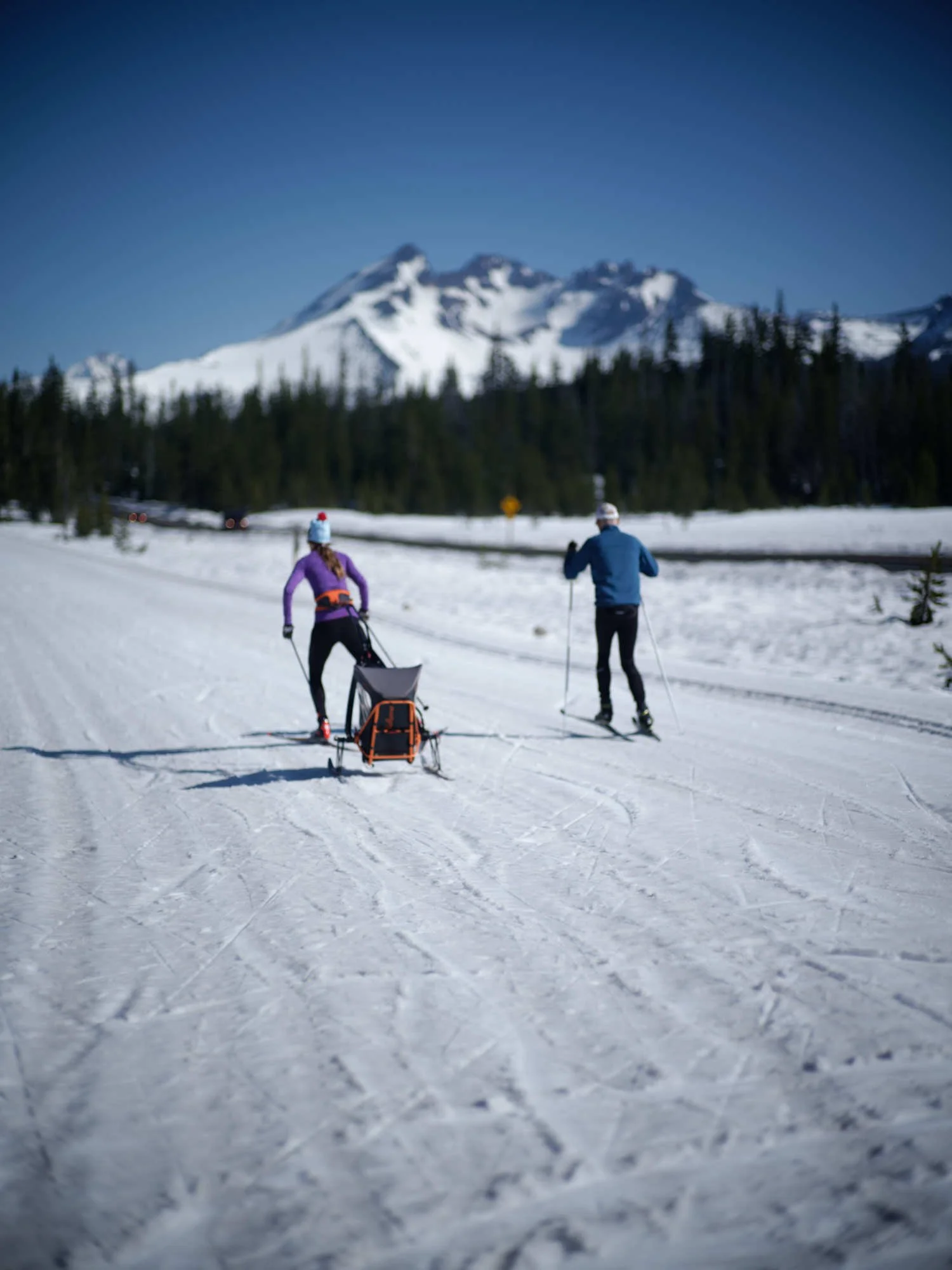
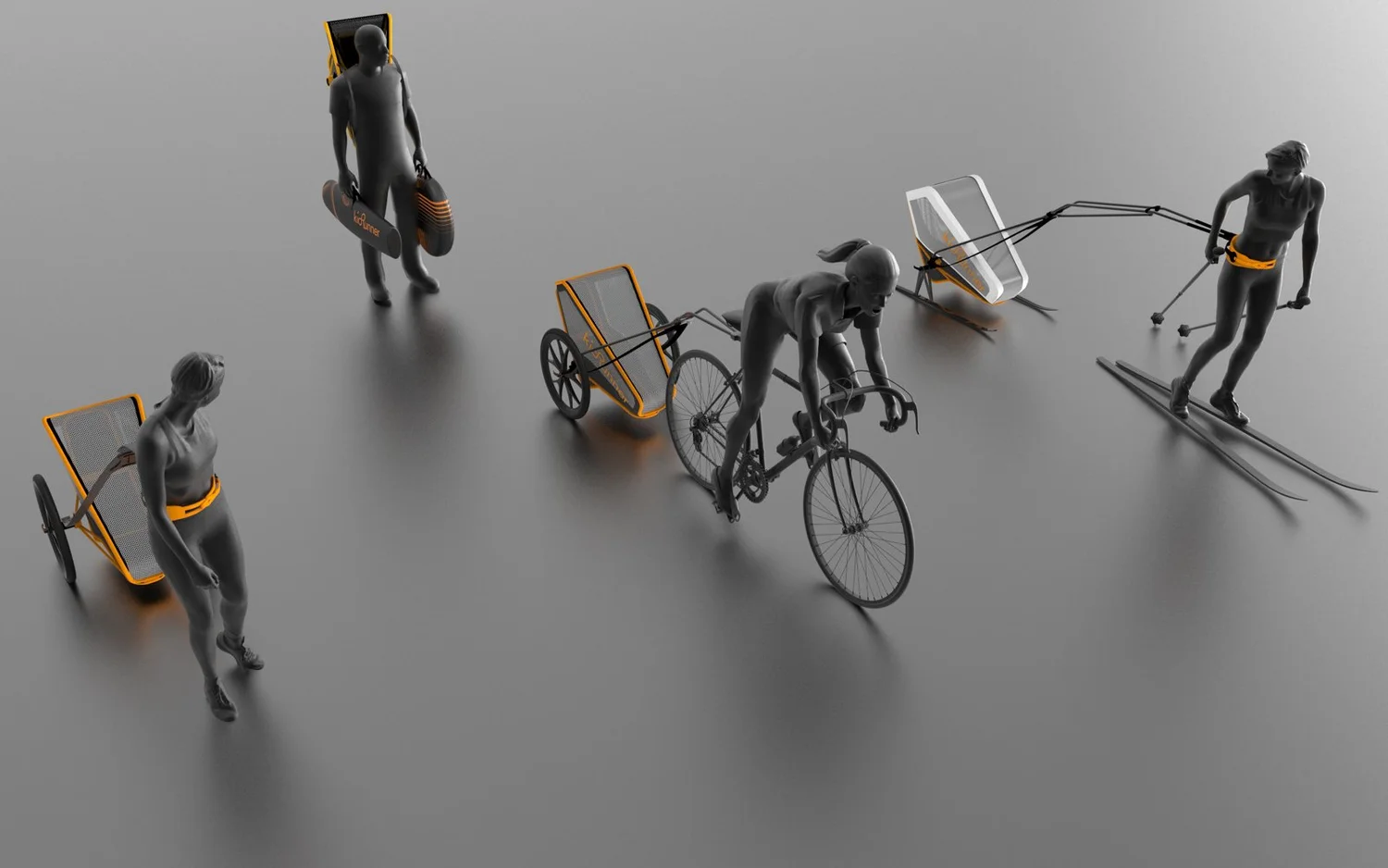
KidRunner later developed RUN, BIKE, and SKI modes around a shared cockpit. The additional uses changed how the product could fit into a family's activities.
Public response gave us new questions to take back to the design and manufacturing work. It sat alongside the physical tests, rather than replacing them.
What we learned
S/U/M worked from the first shop-built prototypes through coordination with offshore manufacturers. There wasn't one clean handoff from design to production. We kept adjusting parts and methods as testing, shop work, and manufacturing showed us what needed attention.